
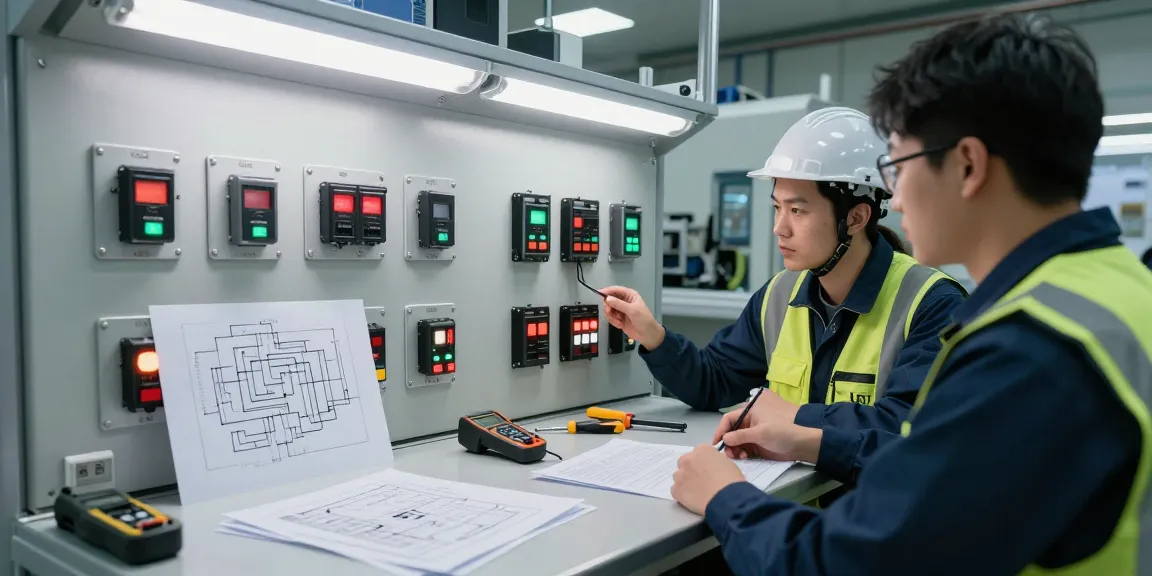
Understanding the Basics of Panel Switch Technology
In the modern era of electronics, the significance of panel switches cannot be overstated. These devices play an essential role in a myriad of applications, ranging from industrial machinery to consumer electronics. Panel switches are user-friendly interfaces that allow for the manual control of devices, providing an essential link between the user and the equipment. Comprising various types, these switches are designed to meet diverse operational requirements while enhancing workflow efficiency and user experience. When exploring options, panel switch solutions offer comprehensive insights into suitable choices for various projects.
What are Panel Switches and Their Applications?
Panel switches are electrical components that allow users to control devices from a centralized location. Commonly found in control panels, these switches can take various forms such as toggle, rocker, push-button, or capacitive touch. Their applications span across different sectors including automotive, aerospace, marine, and industrial automation.
- Automotive Industry: In vehicles, panel switches manage functions like lighting, ignition, and electronic control units.
- Aerospace: Aircraft cockpit control systems use panel switches for critical communication and navigation functionalities.
- Industrial Automation: Control panels in manufacturing equipment leverage panel switches for efficient machine operation.
Key Features of Modern Panel Switches
Modern panel switches come equipped with a variety of features tailored to enhance functionality and user experience. Key attributes include:
- Durability: Designed to withstand harsh conditions, ensuring longevity.
- Customization: Options for different colors, shapes, and materials to fit specific applications.
- Illumination: Many panel switches feature LED backlighting for improved visibility in low-light conditions.
- Sealing: IP-rated switches provide dust and water resistance, ideal for outdoor or industrial settings.
Comparative Analysis: Panel Switch vs Other Switch Types
When comparing panel switches to other switch types, it is essential to recognize their unique advantages. For instance:
- Panel Switches vs Rocker Switches: While rocker switches are great for simple on/off functions, panel switches offer enhanced versatility with multiple controls for various devices.
- Panel Switches vs Push Button Switches: Push button switches are effective for single-use commands, whereas panel switches provide more functions and a complex interface for multi-faceted operations.
Choosing the Right Panel Switch for Your Project
Selecting the appropriate panel switch requires a thorough understanding of both the application and environmental factors. The process can be made easier by considering the following factors.
Factors to Consider When Selecting a Panel Switch
Several key factors should guide your choice in selecting the right panel switch:
- Electrical Specifications: Ensure compatibility with voltage, current rating, and switching behavior.
- Environmental Conditions: Assess the temperature, humidity, and exposure to elements.
- Space Constraints: Determine the available space for installation to avoid overcrowding.
- Usability: Consider the ease of use and the user interface design for optimal engagement.
Common Mistakes in Panel Switch Selection
Even experienced professionals can make mistakes when it comes to choosing panel switches. Common pitfalls include:
- Overlooking Environmental Ratings: Failing to consider IP ratings can lead to premature failure in unsuitable conditions.
- Ignoring User Feedback: Not seeking feedback from end-users can result in suboptimal product performance and user dissatisfaction.
- Inadequate Testing: Skipping thorough testing phases can lead to unexpected failures during operational periods.
Expert Tips for Customizing Panel Switches
Customization can significantly enhance the functionality and appeal of panel switches. Here are some expert tips:
- Incorporate Ergonomic Designs: Design switches that minimize operator strain and maximize accessibility.
- LED Indicators: Utilize LED indicators for clear status signaling, improving user awareness and control.
- Color Coding: Implement color coding to denote different functions or statuses, streamlining operations.
Implementing Panel Switch Solutions in Manufacturing
Once the right panel switch has been selected, effective implementation in a manufacturing process is crucial for maximizing its potential.
Best Practices for Installation and Maintenance
Adhering to best practices during installation and maintenance can ensure the longevity and reliability of panel switches:
- Follow Manufacturer Guidelines: Always adhere to the installation instructions provided by the manufacturer.
- Regular Inspections: Conduct periodic inspections for wear and tear, particularly in high-usage environments.
- Keep Clean: Ensure the switch area is free from dust and debris to maintain functionality.
Real-World Case Studies on Successful Panel Switch Integration
Analyzing real-world applications can provide valuable insights into the effectiveness of panel switches:
- Manufacturing Plant: A manufacturing facility integrated panel switches into their control systems, improving operational efficiency by 30% due to real-time monitoring capabilities.
- Automotive Production: An automotive assembly line utilized customizable panel switches to streamline operations, leading to a decrease in errors and increased output quality.
Evaluating Performance Metrics of Panel Switches
To ascertain the success of panel switches in your application, it’s vital to establish clear performance metrics. Key indicators include:
- Operational Downtime: Monitor how often panel switches fail and correlate that with downtime costs.
- User Satisfaction Surveys: Gather feedback from users regarding the ease of use and functionality.
- Response Times: Evaluate the responsiveness of the switches in real-world scenarios, particularly under load conditions.
Future Trends in Panel Switch Technology for 2026
As technology evolves, so too does the design and functionality of panel switches. Several trends are anticipated to shape their future.
Emerging Technologies in Panel Switch Designs
Innovations in materials and technology are paving the way for new types of panel switches:
- Touchless Operation: The rise of touchless technologies allows for operation without physical contact, enhancing hygiene and convenience.
- Smart Integration: Panel switches featuring IoT capabilities will enable real-time monitoring and remote control capabilities, integrating seamlessly into smart systems.
Predictions for Panel Switch Innovation
In light of ongoing advancements, we can expect several innovations by 2026:
- Improved Materials: Advances in durable and lightweight materials will enhance the longevity and aesthetic of panel switches.
- AI Integration: Artificial intelligence will make panel switches smarter, learning user preferences and adapting functionalities accordingly.
How Automation is Shaping Panel Switch Applications
The rise of automation in various sectors is driving a transformation in panel switch utility:
- Increased Functionality: Automated processes will require panel switches to manage more complex tasks simultaneously.
- Collaborative Robots: As robotic systems work near human operators, panel switches need features that ensure safety and seamless integration.
Maximizing the Value of Panel Switches in Your Business
To fully leverage the benefits of panel switches, businesses must consider how to integrate them within their operational frameworks efficiently.
Cost-Benefit Analysis of Upgrading Your Panel Switches
Conducting a thorough cost-benefit analysis can help justify investments in updated panel switch technology:
- Initial Costs vs. Long-Term Savings: Evaluate the upfront costs against the savings in maintenance and operational efficiency over time.
- Enhanced Productivity: Assess how upgraded panel switches can lead to improved production rates and reduced error rates.
Enhancing User Experience with Advanced Panel Switch Features
Incorporating advanced features into panel switches can significantly enhance user engagement:
- Intuitive Layouts: Design layouts that align naturally with user habits for increased accessibility.
- Feedback Mechanisms: Provide tactile or auditory feedback to confirm user inputs, improving operational confidence.
FAQs on Common Panel Switch Concerns
Addressing common concerns can assist businesses and users in transitioning to modern panel switch solutions:. Additionally, Capacitive switch provides further details.
- What is the lifespan of a panel switch? Most high-quality panel switches can last several years with proper maintenance, depending on usage.
- Can I integrate existing systems with new panel switches? Yes, many modern panel switches are designed for compatibility with existing systems, though specific adapters may be required.
- Are there safety standards for panel switches? Yes, panel switches typically adhere to various industry standards for safety and performance, such as UL and CE certifications.