
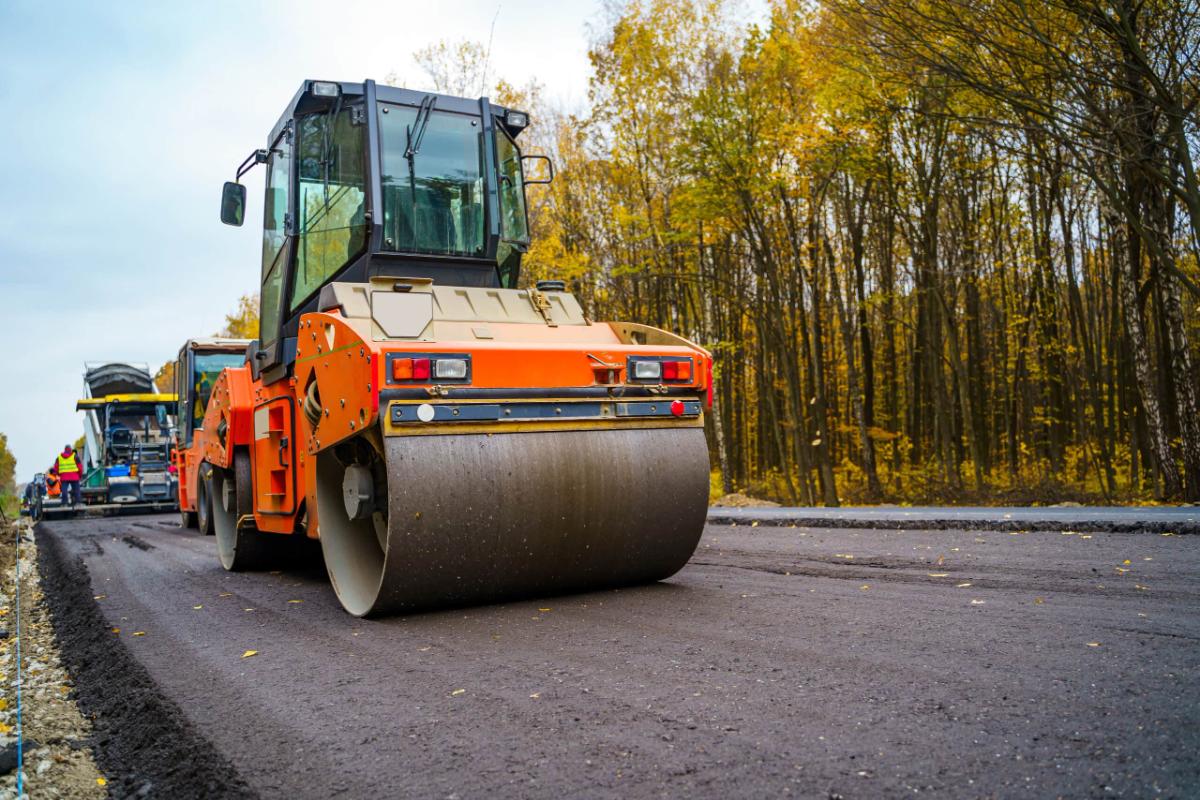
Asphalt is a resilient surface, but it’s not immune to the combined assaults of Utah’s climate. From the freeze-thaw cycles of our mountain winters to the intense summer sun, your pavement faces a relentless test. Property owners often see a crack or a pothole and think only of a quick fix. While timely repairs are crucial, a truly durable and cost-effective pavement strategy requires a deeper understanding of the full spectrum of professional services available. This journey from patching to resurfacing is about matching the right solution to the specific problem and condition of your asphalt.
Understanding these essential services empowers you to make informed decisions, extending the life of your investment and avoiding premature, expensive replacements. It’s the difference between constantly reacting to damage and proactively managing your pavement’s health. This guide will walk you through the hierarchy of asphalt maintenance and repair, explaining when a simple patch is sufficient and when a more comprehensive approach, like resurfacing, becomes necessary. Knowing your options ensures you partner effectively with a professional contractor to achieve the best long-term results.
The Hierarchy of Asphalt Repair
Not all asphalt damage is created equal, and neither are the solutions. Professional repair strategies follow a logical progression based on the extent and type of deterioration. Starting with the least invasive and moving to more comprehensive methods allows for cost control and maximizes the pavement’s service life.
Ignoring minor issues is the fastest way to escalate costs. A small crack allows water infiltration, which weakens the base material. When water freezes, it expands, widening the crack and creating a pothole. What began as a $200 sealing job can quickly become a $2,000 reconstruction project. The hierarchy exists to intercept this cycle at the most effective point.
Patching: The Targeted Fix
Patching addresses isolated areas of failure. It’s a surgical approach used for potholes, localized alligator cracking, or areas where the asphalt has been dug up for utility work. There are two primary types: throw-and-roll (a temporary cold patch) and infrared (a more permanent, seamless repair that reheats the existing asphalt). Patching is ideal when the overall pavement structure is sound, and damage is confined to less than 10-15% of the total surface area. It’s a reactive but vital service to prevent further deterioration and safety hazards.
Crack Sealing: Preventative Maintenance
Crack sealing is arguably the most cost-effective service in asphalt preservation. It involves cleaning and filling cracks, typically ¼-inch or wider, with a hot rubberized sealant. This process prevents water and debris from entering the pavement base. In Utah, where winter freeze-thaw is a major concern, effective crack sealing is a non-negotiable annual or bi-annual task for many property owners. It’s a preventative measure that directly extends the time before more expensive repairs like resurfacing are needed.
When Patching Isn’t Enough: The Case for Resurfacing
Resurfacing, also known as an overlay, involves applying a new layer of asphalt—typically 1.5 to 2 inches thick—over the existing pavement. It’s a major step up from patching and is considered when the surface shows widespread fatigue but the underlying base remains structurally intact. For comprehensive asphalt services Utah, resurfacing is often the core offering for rejuvenating aging lots and driveways.
Signs that your pavement needs resurfacing, not just patching, include:
● Extensive Alligator Cracking: When interconnected cracks cover a large area, resembling alligator skin, patching becomes impractical.
● Surface Raveling: The loss of aggregate from the top layer, leaving a rough and pitted surface.
● Multiple Patches: If more than 20-25% of your pavement consists of patches, a uniform overlay will provide better aesthetics and performance.
● Drainage Issues: Minor ponding can sometimes be corrected by the new, properly graded surface of an overlay.
A professional contractor will perform a core analysis to check the base’s integrity before recommending resurfacing. This process is less expensive and disruptive than a full reconstruction, as it doesn’t require tearing out the old asphalt and rebuilding the base layers.
The Full-Depth Reconstruction: A Last Resort
When the asphalt surface and its base have both failed, resurfacing is merely a temporary bandage. Full-depth reconstruction is the most extensive and expensive option. It involves completely removing the old asphalt and the compromised base material, then rebuilding the foundation with new aggregate before installing a fresh asphalt surface.
This service is necessary when there are severe base failures, such as deep, recurring potholes, or when the subgrade soil has become unstable. It’s also required for significant elevation changes or correcting major drainage problems that an overlay cannot fix. While costly, reconstruction is a 20-30 year solution when performed correctly, essentially creating brand-new pavement.
Choosing the Right Asphalt Service Provider in Utah
Selecting the right contractor is as critical as selecting the right service. The quality of materials and workmanship directly determines the longevity of your repair. Look for a company with a proven local track record, proper licensing and insurance, and transparent, written estimates.
Ask for references and view past project galleries. A reputable provider will not hesitate to explain why they recommend a specific service—be it sealing, patching, or resurfacing—and will detail the preparation work involved. They should also offer a clear warranty on materials and labor. The goal is to find a partner who provides honest diagnostics, not just the most expensive option.
Cost Considerations and Long-Term Value
Understanding costs helps in budgeting and evaluating bids. Patching is typically priced by the square foot or as a minimum charge per patch. Crack sealing is usually quoted by linear foot. Resurfacing is priced by the square yard, with the final cost influenced by the thickness of the overlay, the amount of preparation needed, and regional material prices.
While resurfacing has a higher upfront cost than patching, its cost per year of extended service life is often lower. Constantly patching a failing lot is a money pit. A strategic overlay, following proper crack sealing and drainage correction, can add 10-15 years of life to a pavement. This long-term value is the cornerstone of professional asphalt paving Utah strategy. Investing in the right service at the right time prevents small problems from becoming catastrophic failures.
Frequently Asked Questions
How long does an asphalt resurfacing project take?
For a standard residential driveway, resurfacing is often a 1-2 day process: one day for preparation and edging, and another for laying and compacting the new asphalt. Larger commercial parking lots can take several days to a week, depending on size and complexity. The new surface requires 24-48 hours to cure before you can drive on it.
Can I resurface over concrete?
Yes, asphalt can be overlaid on concrete, but it requires specific preparation. The concrete must be in stable condition, with no heaving or significant cracks. A binder layer is applied to ensure proper adhesion. A contractor will assess the concrete’s condition to determine if this is a viable option or if removal is necessary.
What is the best time of year for asphalt work in Utah?
Late spring through early fall is ideal, when temperatures are consistently above 50°F. Asphalt needs heat to be mixed, transported, laid, and compacted properly. Cold weather leads to premature cooling, poor compaction, and a weaker surface. Most professional contractors schedule the bulk of their work during these warmer months.
How soon should new cracks be sealed after resurfacing?
New asphalt needs time to fully cure and off-gas its oils, a process that can take 6-12 months. After this period, any cracks that have formed should be sealed before the first winter to prevent water intrusion. Your contractor should provide guidance on a maintenance schedule post-installation.
What causes alligator cracking?
Alligator, or fatigue, cracking is almost always a sign of structural failure in the base layer or subgrade. It’s often caused by heavy loads exceeding the pavement’s design, water saturation of the base, or a base that was too thin or poorly compacted during initial construction. It indicates a need for serious evaluation.
Conclusion
Navigating the world of asphalt maintenance, from patching to resurfacing, is about applying the right tool for the job. A reactive approach of only patching potholes leads to a patchwork quilt of repairs and escalating costs. A proactive strategy that understands the essential services—crack sealing for prevention, patching for localized repair, and resurfacing for surface renewal—protects your investment and ensures a safe, functional, and attractive pavement for years to come.
The key is to view your asphalt as a long-term asset that requires periodic, informed care. By partnering with a knowledgeable local contractor who can accurately diagnose issues and recommend the appropriate level of service, you move from a cycle of constant repair to a schedule of managed preservation. In Utah’s demanding environment, this understanding is not just beneficial; it’s essential for any property owner responsible for paved surfaces.