
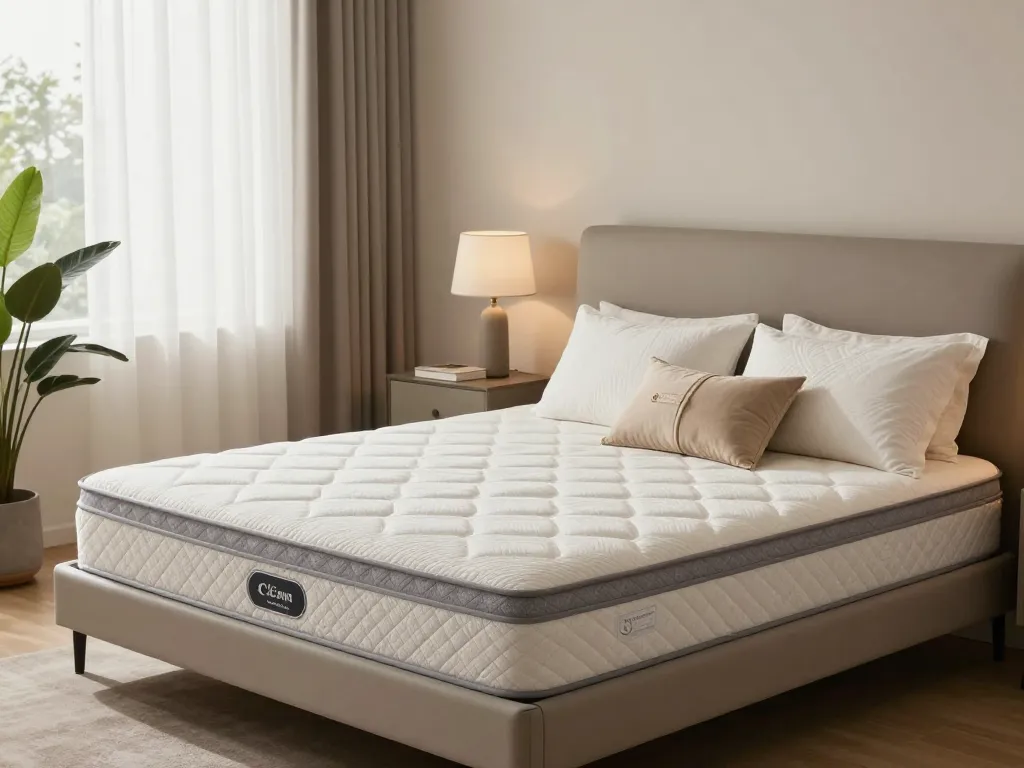
Understanding Orthopaedic Mattresses
When it comes to achieving a restful night’s sleep, the mattress you choose plays a crucial role. Among the various options available, orthopaedic mattresses stand out for their unique design aimed at providing enhanced support and comfort, particularly for individuals dealing with back pain or joint issues. These mattresses are engineered to promote spinal alignment, which can significantly improve overall sleep quality. Exploring options like Orthopaedic mattress not only offers insights into superior sleep solutions but can also transform your nightly routine.
What is an Orthopaedic Mattress?
An orthopaedic mattress is specifically designed to support the body’s musculoskeletal system. Unlike traditional mattresses that focus primarily on comfort, orthopaedic mattresses provide a firmer sleep surface that helps maintain proper spinal alignment. This design is particularly beneficial for those who suffer from chronic back pain or other musculoskeletal issues, as these mattresses help reduce stress on joints and improve posture.
Key Features of Orthopaedic Mattresses
The key features of orthopaedic mattresses include:
- Firmness: Orthopaedic mattresses typically offer a firm or extra-firm feel, which is essential for maintaining spinal alignment.
- Multi-Zone Support: Many orthopaedic mattresses incorporate various support zones that cater to different body areas, providing targeted relief where it’s needed most.
- Pressure Relief: These mattresses are designed to reduce pressure points that cause discomfort during sleep, aiding blood circulation and improving overall sleep quality.
- High-Quality Materials: The best orthopaedic mattresses use premium materials such as high-density memory foam, latex, or pocket springs to provide both comfort and support.
How Orthopaedic Mattresses Support Spine Health
Orthopaedic mattresses are engineered to provide optimal spinal support, which is crucial for someone who spends a significant amount of time in bed. By conforming to the body’s natural curves while retaining a supportive feel, these mattresses help to reduce strain on the spine and prevent misalignment. This is particularly important for those who suffer from conditions such as scoliosis, arthritis, or general back pain, as proper support can lead to improved recovery and less discomfort during the night.
Benefits of an Orthopaedic Mattress
Relief for Back Pain and Joint Issues
One of the primary advantages of choosing an orthopaedic mattress is its ability to provide relief from back pain and joint issues. The firm support that these mattresses offer helps to alleviate pressure on sensitive areas, ensuring that the spine and joints are adequately supported. Many users report experiencing significant improvement in their pain levels after switching to an orthopaedic mattress, enhancing overall sleep comfort.
Improved Sleep Quality and Comfort
The combination of customized support and pressure relief contributes to improved sleep quality. With less tossing and turning due to discomfort, users enjoy a more restful night’s sleep. Orthopaedic mattresses are especially beneficial for those who share their bed with partners, as advanced motion isolation technology minimizes disturbances from movements during the night.
Long-Term Health Benefits
Investing in a quality orthopaedic mattress can yield long-term health benefits. Consistent spinal support promotes better sleep posture, which can lead to reduced chronic pain and musculoskeletal disorders over time. Additionally, a well-supported body can enhance blood circulation and reduce the risk of developing health issues related to poor sleep.
Choosing the Right Orthopaedic Mattress
Factors to Consider When Buying
When selecting an orthopaedic mattress, several factors should be taken into account to ensure it meets your specific needs:
- Firmness Level: It’s essential to choose a mattress firmness level that aligns with your sleeping position and body weight. Side sleepers typically benefit from a slightly softer mattress, while back and stomach sleepers may prefer a firmer feel.
- Material Type: Different materials offer varying levels of support and comfort. For example, latex mattresses tend to be firmer and more responsive, while memory foam conforms to the body’s shape.
- Size: Ensure the mattress size fits your bed frame and allows for ample space for movement during sleep.
- Trial Period: Look for brands that offer a trial period so you can test the mattress before committing to a purchase.
Different Types and Materials Explained
Orthopaedic mattresses come in various types, each offering unique benefits:
- Memory Foam: Known for its body-contouring properties, memory foam provides excellent pressure relief and support.
- Latex: This material is more buoyant and offers a firmer sleep surface, making it ideal for those who prefer minimal sinkage.
- Hybrid: Combining the best of both worlds, hybrid mattresses offer layers of foam and springs for enhanced support and comfort.
- Innerspring: These mattresses feature a system of coils that provide traditional bounce and support.
Size Options: What Fits Your Needs?
Orthopaedic mattresses are available in a range of sizes to cater to different needs:
- Single: Best suited for children or single sleepers.
- Double: Ideal for solo sleepers who want more space or couples who prefer snug sleeping arrangements.
- King and Super King: Offer ample space for couples, ensuring both partners have enough room to sleep comfortably without disturbing one another.
Maintaining Your Orthopaedic Mattress
Care and Cleaning Tips
To extend the life of your orthopaedic mattress, regular maintenance is crucial. Here are some tips:
- Rotate the mattress every three to six months to promote even wear.
- Use a mattress protector to guard against spills and allergens.
- Clean the surface regularly with a vacuum to remove dust and debris.
- Follow the manufacturer’s cleaning guidelines to prevent damage.
Extending the Life of Your Mattress
In addition to regular cleaning, consider investing in a high-quality foundation or bed frame that supports your mattress adequately. Avoid jumping on the bed or applying excessive pressure in one area to prevent sagging.
Signs It’s Time for a Replacement
It’s essential to know when it’s time to replace your orthopaedic mattress. Signs include:
- Persistent Pain: If you find yourself waking up with aches or pains, your mattress may no longer be providing adequate support.
- Visible Damage: Look for sagging, lumps, or tears that indicate wearing.
- Age: If your mattress is over eight years old, it may be time to consider a replacement for optimal sleep health.
Frequently Asked Questions
What does an orthopaedic mattress do?
An orthopaedic mattress provides targeted support to maintain spinal alignment and reduce pressure on sensitive areas, improving overall posture and back health.
How is an orthopaedic mattress different from regular mattresses?
While regular mattresses focus on comfort, orthopaedic mattresses are specifically designed to support the joints and spine with a firmer feel and advanced support zones.
Are orthopaedic mattresses suitable for all types of sleepers?
Yes, orthopaedic mattresses can cater to a variety of sleeping positions, but it’s essential to choose the right firmness level and material type based on individual needs.
Can I find affordable orthopaedic mattresses?
Yes, there are affordable options available without compromising on quality. Look for sales or consider investing in a mattress that offers good value for its features.
How do I know which firmness is right for me?
Your sleeping position and body weight will help determine the right firmness. For more information, Natural Mattress offers valuable insights. It’s often recommended to try different firmness levels before making a purchase decision.