
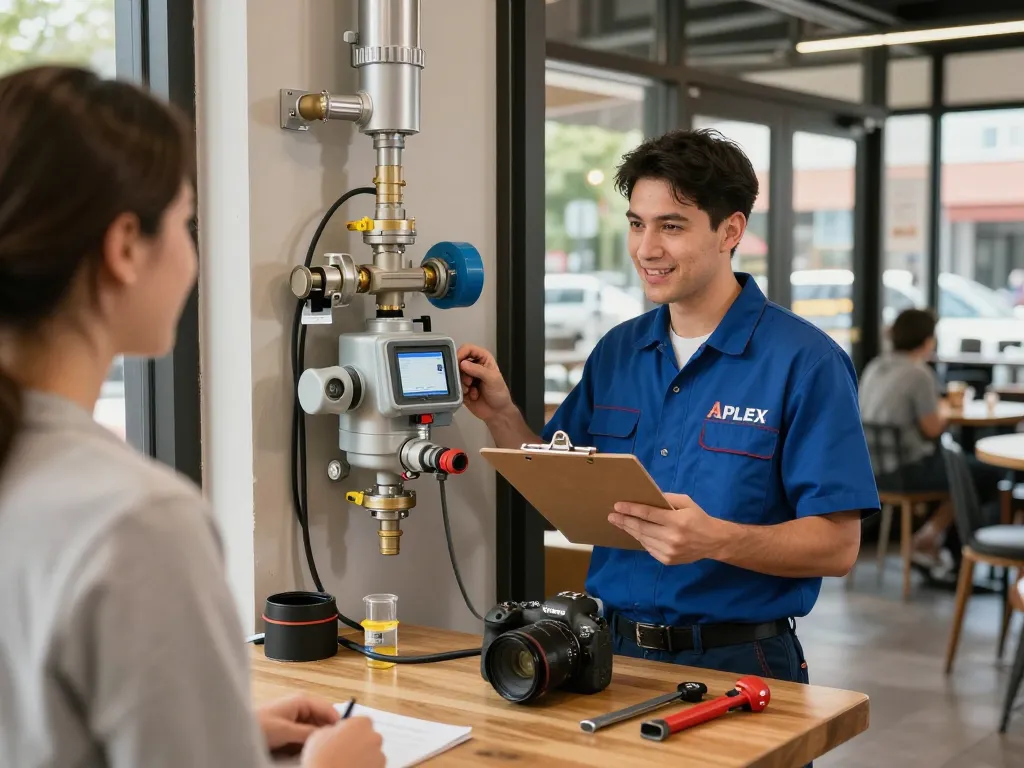
Understanding Commercial Backflow Prevention
In the realm of plumbing, ensuring safe and clean water supply is crucial, especially for businesses. Backflow prevention is a vital component of any commercial plumbing system, designed to protect potable water sources from contamination. When exploring options, commercial backflow prevention provides comprehensive insights into effective strategies that safeguard your business and community health.
What is Commercial Backflow Prevention?
Commercial backflow prevention refers to the methods and devices used to prevent the backflow of contaminated water into the clean water supply within commercial properties. This becomes essential in businesses such as restaurants, hospitals, and factories where the potential for contaminants is high. Common devices include reduced pressure zone (RPZ) assemblies, double check valves, and pressure vacuum breakers, each specifically designed to counteract the risks associated with water supply backflow.
Why is Backflow Prevention Critical for Businesses?
Backflow can introduce hazardous substances back into the drinking supply, leading to serious health risks for employees and customers. These risks can also result in legal liabilities and significant financial penalties for non-compliance with local regulations. Implementing a robust backflow prevention system not only ensures the safety of your water supply but also protects your business’s reputation and operational continuity.
Key Regulations and Compliance Requirements
In Sydney, businesses must adhere to strict regulations regarding backflow prevention established by the NSW plumbing code and local health agencies. Regular testing and maintenance of backflow devices are mandatory to ensure compliance. Complaints or incidents of backflow can prompt authorities to take action, which may include fines or forced closures until compliance is achieved. Understanding and keeping updated with these regulations is critical for business owners.
Identifying Common Backflow Issues
Signs Your Property Needs Backflow Prevention
Identifying signs that your commercial property may require backflow prevention measures is essential for maintaining water safety. Look for:
- Presence of multiple water sources, including irrigation systems, pools, or industrial processes.
- Historical issues with water quality complaints.
- Changes in water pressure that could indicate potential contamination.
Common Problems Faced by Business Owners
Business owners may encounter several issues related to backflow, such as:
- Device failures due to lack of regular maintenance.
- Inadequate installation of backflow devices, leading to ineffective contamination prevention.
- Lack of proper documentation, which can complicate compliance verification.
Potential Consequences of Neglecting Backflow Prevention
Failing to implement effective backflow prevention can have dire consequences, including:
- Health risks: Contaminated drinking water can lead to serious illnesses.
- Legal ramifications: Businesses can face lawsuits and penalties due to non-compliance.
- Financial loss: Costs associated with rectifying backflow incidents can be substantial, affecting overall profitability.
Choosing the Right Backflow Prevention System
Types of Backflow Prevention Devices
Several types of backflow prevention devices are available, each with its unique application and effectiveness. Key types include:
- Reduced Pressure Zone (RPZ) Assemblies: Ideal for high-risk applications, preventing backflow due to changes in pressure.
- Double Check Valves: Suitable for moderate-risk situations, designed to allow the flow in one direction while blocking reverse flow.
- Pressure Vacuum Breakers (PVB): Effective in preventing siphonage in lower-risk applications.
Factors to Consider When Selecting a Device
Choosing the right backflow prevention device involves considering several factors:
- The type of business and its specific water use requirements.
- Local regulatory requirements and compliance standards.
- Existing plumbing infrastructure and potential modifications needed for installation.
How to Ensure Proper Installation
Proper installation of backflow prevention devices is critical for their effectiveness. Engaging a licensed plumber with experience in backflow systems is recommended. They will ensure that:
- The device is installed in compliance with local regulations.
- All necessary tests are conducted to confirm effectiveness.
- Proper maintenance schedules are set, ensuring long-term functionality.
Best Practices for Maintaining Backflow Prevention Systems
Regular Testing Requirements and Schedules
Regular testing is crucial to maintaining the integrity of backflow prevention devices. Most jurisdictions require annual testing by a certified professional. This not only helps identify issues early but also ensures compliance with local laws.
Common Maintenance Techniques and Tips
To ensure optimal performance of backflow prevention systems, consider these maintenance tips:
- Conduct routine inspections to check for leaks or signs of wear.
- Keep documentation of all tests and maintenance performed.
- Address any repairs promptly to avoid potential backflow incidents.
What to Do in Case of a Backflow Incident
If a backflow incident occurs, immediate action is necessary. This includes:
- Shutting off the water supply to prevent further contamination.
- Contacting a plumbing professional to assess the situation and implement necessary repairs.
- Informing local health authorities to assess the safety of the water supply.
Future Trends in Backflow Prevention
Emerging Technologies in Backflow Prevention
The plumbing industry is continually evolving, with advancements in technology enhancing backflow prevention methods. Innovations such as smart monitoring systems allow for real-time tracking of water pressure and quality, enabling quicker responses to potential backflow threats.
Predictions for Commercial Plumbing Standards in 2026
As environmental concerns grow, plumbing standards are anticipated to evolve to include more stringent regulations regarding water safety. Business owners should stay informed about these changes and prepare to adapt their backflow prevention strategies accordingly.
How to Stay Ahead of Compliance Changes
Staying informed about compliance changes is crucial for business owners. Regularly consult with plumbing professionals and local health departments to ensure that your backflow prevention measures meet all current standards and requirements.
What is a Commercial Backflow Preventer?
A commercial backflow preventer is a specialized device designed to block the reverse flow of water within large-scale systems, protecting clean drinking water from contamination. These devices are essential for any business that has multiple sources of water.
How Much Does Commercial Backflow Prevention Cost?
The cost of installing a commercial backflow preventer can vary widely based on several factors, including the location, type of device, existing infrastructure, and complexity of the installation. On average, businesses can expect to pay between $1,000 and $10,000.
Are There Certification Requirements for Plumbers?
Yes, in NSW, plumbers must hold appropriate licenses, including specific certifications for backflow prevention. It is vital to verify the credentials of any plumbing company you hire to ensure compliance with local regulations.