Understanding Plastic Lamination: Importance and Uses
Plastic lamination has become a vital process for preserving documents and maintaining their integrity over time. With an increasing number of businesses and individuals relying on laminated documents for protection against wear, tear, and environmental factors, understanding the methods and technologies behind this practice is essential. In regions like Bắc Ninh, where demand for reliable lamination services is high, the need for effective removal techniques has also surged. When exploring options, bóc ép plastic bắc ninh provides comprehensive insights into safe and efficient methods of plastic lamination removal.
What is Plastic Lamination?
Plastic lamination refers to the process of applying a protective layer of plastic over a document, photograph, or any paper material. This layer usually consists of a thin sheet of polyethylene or polypropylene, which helps to safeguard the underlying material from moisture, dirt, and damage. The lamination process can enhance the aesthetic appeal of documents while significantly increasing their durability.
Benefits of Plastic Lamination for Document Protection
- Increased Durability: Laminated documents are more resistant to physical damage and environmental factors, extending their lifespan considerably.
- Water and Moisture Resistance: The plastic layer acts as a barrier preventing water and moisture from destroying documents.
- Ease of Cleaning: The smooth surface of laminated documents facilitates easy cleaning and maintenance.
- Enhanced Aesthetics: Lamination can add a professional finish to documents, making them visually appealing.
Common Applications of Laminated Documents
Laminated documents are widely utilized across various fields and industries, including:
- Id cards and badges
- Restaurant menus
- Certificates and awards
- Instruction manuals
- Informational signage
- Loyalty cards
Methods of bóc ép plastic: A Comprehensive Guide
When it comes to removing plastic lamination, particularly within the context of Bắc Ninh, two primary methods are employed: heat application and non-pull technology. Understanding these techniques is crucial for ensuring that documents are unharmed during the removal process.
Heat Application: Pros and Cons
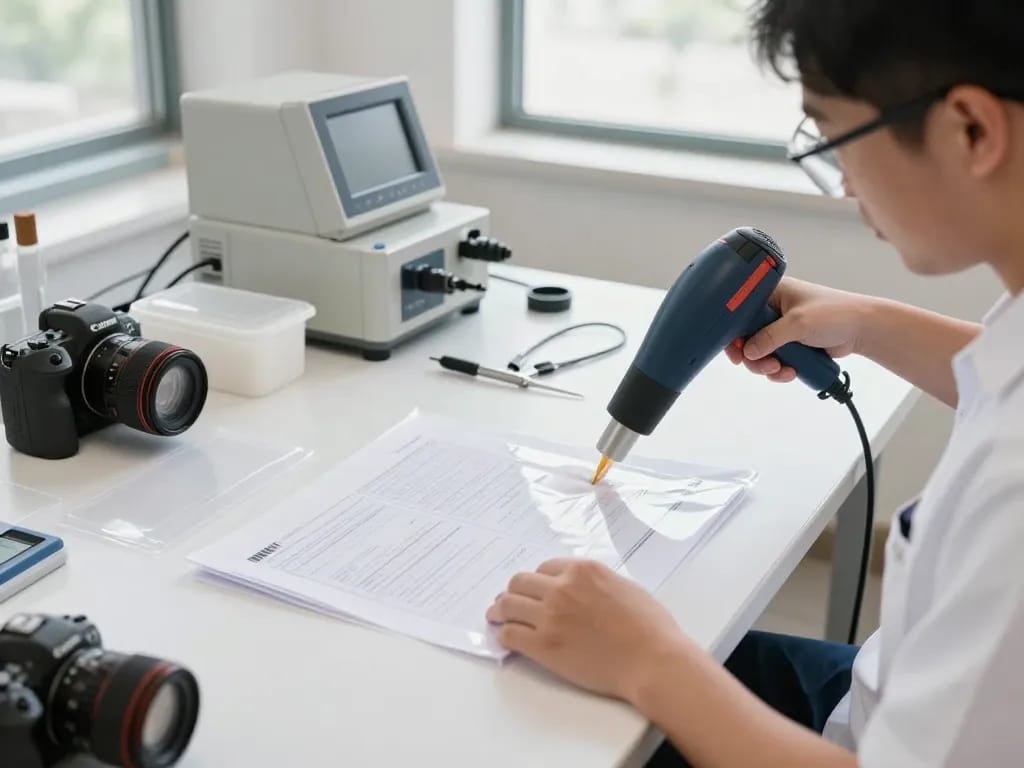
The heat application method involves using heat sources such as hair dryers, irons, or steam to soften the adhesive that bonds the plastic to the document. While this method can be effective, it comes with its risks.
- Quick and accessible, as familiar tools are often available at home.
- Can effectively soften adhesive for easier removal.
- Risk of damaging the document, particularly if excessive heat is applied.
- Potential for adhesive residue to remain on the document.
- May cause ink to smudge or fade if not applied carefully.
Non-Pull Technology: An Innovative Approach
This method employs specialized equipment designed to detach the plastic lamination without exerting pull force, thus minimizing the risk of tearing or damaging the underlying document. Non-pull technology has been gaining traction due to its safety and effectiveness.
- Preserves the integrity of the document, ensuring it remains intact and unblemished.
- Eliminates the risk of adhesive residue, as the technique targets the adhesive for clean removal.
- Suitable for delicate items, including important certificates and photos.
Comparing Safety and Efficiency in Techniques
Choosing between heat application and non-pull technology largely depends on the type of document and its condition. For sensitive or valuable documents, non-pull technology is highly recommended to avoid potential damage.
Challenges in Removing Laminated Plastic Without Damage
Removing laminated plastic can be a challenging task, especially without the right knowledge or equipment. Several risks come with improper removal practices that one must be aware of.
Risks of Using Excessive Heat
As previously discussed, one of the major pitfalls of using heat is the potential for damage. Excessive heat can lead to:
- Document discoloration or fading.
- Melting of the adhesive leading to glue residue.
- Permanent damage to the paper, including rips or tears.
Dealing with Adhesive Residue
Even with careful heat application, leftover adhesive can be a nuisance. Specialized adhesive removers or gentle cleaning solutions are often required to ensure documents are left clean and unaffected.
Common Mistakes to Avoid in the Removal Process
- Using too much force: Gentle approaches are key to preventing tears.
- Heating for too long: This can cause more damage than benefit.
- Ignoring the type of document: Different materials react differently to heat.
Best Practices for Successful bóc ép plastic
To ensure a successful removal of laminated plastic, following these best practices is crucial.
Step-by-Step Guide to Safe Removal
- Assess the document: Understand the type of paper and ink used.
- Choose the right method: Decide between heat application and non-pull technology based on the assessment.
- Prepare your tools: Gather necessary tools, including hair dryer, scissors, or specialized equipment.
- Apply heat carefully (if applicable): Use short bursts of heat and test small areas first.
- Gently peel away the laminate: Use a plastic scraper or soft cloth to avoid damaging the document.
- Clean up any residue: Use a gentle adhesive remover if necessary.
Tools and Materials Needed for Effective Removal
The following tools can assist in the removal process:
- Hair dryer or heat gun
- Iron (with a cloth for heat protection)
- Plastic scraper
- Adhesive remover
- Soft cloths
Time Management: How Long Should Each Process Take?
On average, heat application techniques can take 10-30 minutes, depending on the size and complexity of the document. Non-pull technology can significantly reduce removal time and is often completed within 15-60 minutes.
Future Trends in Plastic Lamination and Removal Techniques
As technology evolves, the future of plastic lamination and removal methods looks promising, with several advancements on the horizon.
Advancements in Non-Thermal Technologies
Research into non-thermal technologies continues to grow, paving the way for safer and more effective methods of document preservation and lamination removal, which could become the standard in the near future.
Sustainability in Plastic Lamination Practices
With increasing awareness surrounding environmental impacts, the industry is likely to shift toward sustainable materials and processes. This could lead to eco-friendly laminating films that reduce waste while maintaining strong protective qualities.
Predictions for bóc ép plastic Industry in 2026
By 2026, we can expect significant advancements in both lamination and removal technologies, making processes quicker and safer, thereby enhancing customer satisfaction in areas like Bắc Ninh and beyond.
What are common methods for bóc ép plastic?
The common methods include heat application and non-pull technology, each with its own set of advantages and risks.
How can I ensure my documents remain undamaged during removal?
Choosing the right method is essential, along with applying gentle pressure and avoiding excessive heat.
What tools are essential for bóc ép plastic processes?
Essential tools include heat sources, plastic scrapers, and adhesive removers, among others.
Are there alternatives to heat for removing laminated plastic?
Yes, non-pull technology is a leading alternative that eliminates the risks associated with heat application.
How can I restore documents that have been damaged during removal?
Professional restoration services can help restore damaged documents, particularly those with smeared ink or tears.