The Importance of Architectural Model Making in Luxembourg
Architectural model making serves as a critical component in the building and development process, especially in a country like Luxembourg, renowned for its blend of innovation and architectural prowess. As urban landscapes evolve, the need for precise and visually striking models becomes paramount for architects, urban planners, and real estate developers striving to articulate their visions. When exploring options, Architectural model maker Luxembourg provides comprehensive insights into the benefits, techniques, and trends of this essential craft.
Understanding the Role of Models in Design
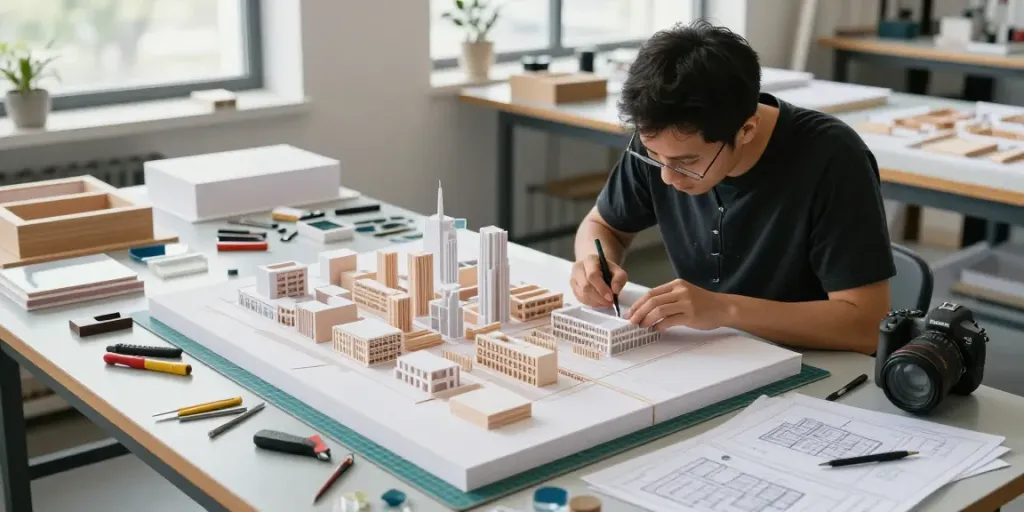
Architectural models serve as tangible representations of ideas, enabling architects to convey intricate concepts clearly and compellingly. These models are indispensable during the design phase, allowing stakeholders to visualize a project’s scale, materials, and overall architectural language. They often serve as bridges between technical specifications and client understanding, transforming abstract ideas into comprehensible visuals.
Benefits of Visual Representation
The advantages of utilizing architectural models are manifold. They not only aid in the visualization of complex designs but also facilitate communication among project teams and clients. By fostering an interactive environment, models help identify potential issues at early stages, ultimately saving time and resources. Additionally, well-crafted models can help stakeholders envision how a proposed building will fit into its surroundings, consider aesthetic appeals, and assess zoning regulations.
Comparative Impact on Project Success
Research indicates that projects that utilize detailed architectural models are significantly more likely to reach successful conclusions. By ensuring all parties have a clear understanding of a project’s scope, models reduce the potential for miscommunication or misconceptions that can lead to costly modifications down the line. As such, employing skilled architectural model makers is essential for achieving coherent and successful results.
Variety of Architectural Models Offered
In Luxembourg, a rich diversity of architectural models can be found, each tailored for specific purposes and audiences. From industrial models that aid in factory planning to city planning models that depict urban landscapes, the variety is vast. These models serve to encapsulate not only the structure but also the environment and context within which they exist.
Defining Industrial and City Planning Models
Industrial models are essential in the planning and optimization of industrial facilities, such as manufacturing plants and power stations. They allow engineers and stakeholders to visualize workflows and spatial arrangements, enhancing operational efficiency. City planning models, conversely, focus on the larger urban context, demonstrating how developments integrate with existing neighborhoods. These models are invaluable tools for urban planners, as they provide insight into infrastructure impacts and community interactions.
Environmental Models: Contextual Relevance
Environmental models represent the ecological and physical surroundings of proposed projects, showcasing how new constructions will merge into existing landscapes. This model type is critical during competitions and public presentations, as they illustrate the project's environmental responsibility and community integration.
Unique Competition and Exhibition Models
Competition models are meticulously crafted to meet the highest standards set by architectural juries. They often require advanced detailing that reflects both creativity and adherence to specified guidelines. Meanwhile, exhibition models are designed primarily for marketing and promotional purposes. Their aesthetic appeal is tailored to attract potential clients and investors at trade shows and exhibitions, leaving a lasting impression.
Materials and Techniques in Model Making
The creation of architectural models involves a nuanced understanding of materials and techniques, which are integral to delivering high-quality outputs. In Luxembourg, model makers have access to a variety of materials, each chosen for its unique properties and suitability for different purposes.
Exploration of Material Choices
Common materials used in architectural model making include wood, plastic, cardboard, and foam. Each material has specific strengths; for instance, wood offers durability, while plastic can provide intricate details with relative ease. The choice of material can significantly influence the final look and feel of the model, making it crucial for model makers to understand their properties and applications.
Innovative Techniques in Construction
Advanced techniques such as 3D printing and CNC milling are becoming increasingly prevalent in the production of architectural models. These methods allow for precision crafting of components that can be assembled into complex structures, meeting the rigorous demands of contemporary architecture. The blending of traditional craftsmanship with modern technology is redefining how models are produced and perceived.
Balancing Quality and Cost-Effectiveness
Achieving a balance between quality and cost is essential in architectural model making. Skilled model makers ensure that every project meets client expectations without exceeding budgetary constraints. By utilizing materials intelligently and optimizing production processes, these professionals can deliver high-caliber models that resonate with clients' visions.
Success Stories: Examples of Completed Projects
Examining successful projects can provide valuable insights into the impact of architectural models. Luxembourg has witnessed several landmark developments where model-making played a pivotal role in shaping public spaces and private investments.
Case Study: A Landmark Development
One prominent example includes the development of the Kirchberg district, where various architectural models were employed to visualize residential and commercial spaces. The use of detailed city planning models allowed stakeholders to assess the integration of new buildings within the existing urban fabric while addressing community concerns regarding density and aesthetics.
Successful Collaborations with Architects
Collaborations between architectural firms and model makers have led to innovative solutions and award-winning designs. By engaging model makers early in the design process, architects can refine their concepts based on tangible representations, ensuring that every detail aligns with their creative vision.
Feedback and Testimonies from Clients
Client feedback often highlights the importance of architectural models in realizing their projects. Testimonials reveal that many clients felt more confident in their decisions when able to visualize the end product, facilitating better communication and collaboration throughout the project lifecycle.
The Future of Architectural Model Making in Luxembourg
The landscape of architectural model making in Luxembourg is poised for evolution, driven by technological advancements and changing industry demands. The integration of new technologies promises to enhance both the creation and the usability of architectural models for a variety of stakeholders.
Emerging Technologies: VR and AR Integration
Virtual reality (VR) and augmented reality (AR) technologies are enabling architects to present their models in immersive environments. These tools allow clients to explore designs on a 1:1 scale before construction begins, offering unprecedented opportunities for feedback and adjustments.
Sustainability Trends and Practices
As sustainability becomes increasingly vital within the architecture and construction sectors, model makers are adapting by incorporating eco-friendly materials and practices. This commitment to sustainability not only helps conserve resources but also aligns model making with broader environmental objectives.
Market Predictions and Growth Opportunities
The architectural model-making market is expected to grow as demand for high-quality, customized solutions increases. With burgeoning real estate development in Luxembourg, model makers who can innovate while maintaining quality will find ample opportunities in both local and international markets.