
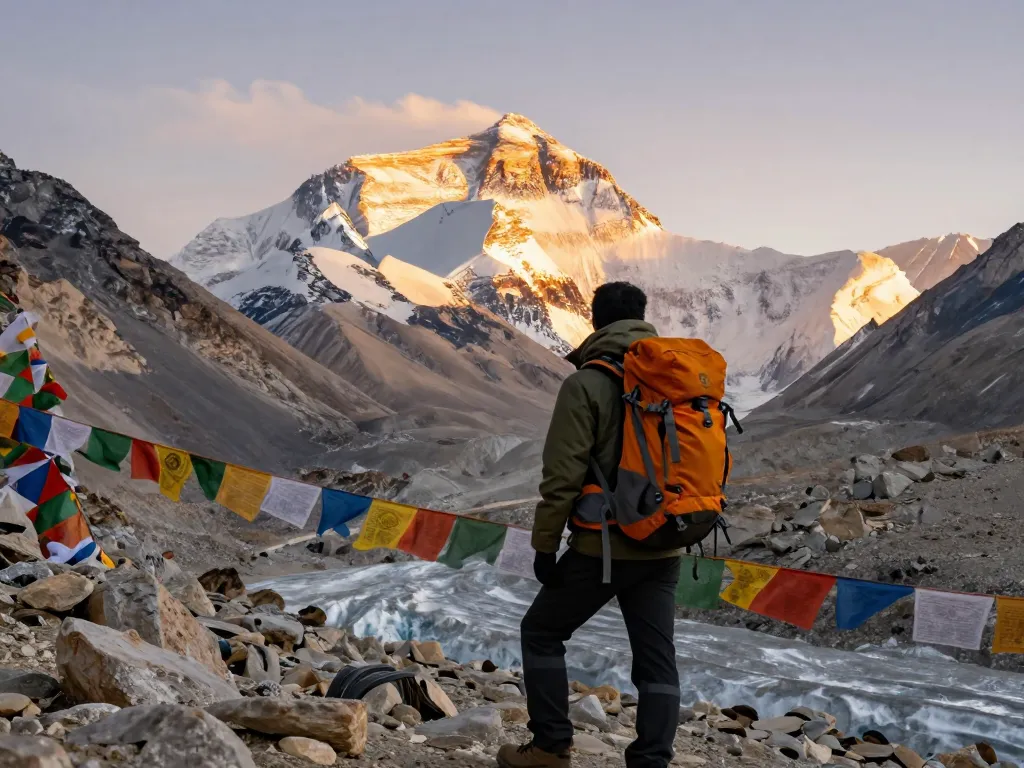
Introduction to the Everest Base Camp Trek
The Everest Base Camp Trek (EBC Trek) stands as one of the most iconic trekking routes in the world, affording adventurers unparalleled views of the Himalayas and a unique opportunity to experience the culture of the Sherpa people. This 14-day trek takes you to an altitude of 5,364 meters, allowing trekkers to stand in awe at the foot of the world’s highest peak, Mount Everest. Whether you are an experienced hiker or a newcomer to trekking, the journey to Everest Base Camp offers challenges and rewards that make it a bucket-list adventure for many. With stunning vistas, rich cultural experiences, and the camaraderie of fellow trekkers, this trek promises memories to last a lifetime. For those considering this adventure in 2026, Everest Base Camp Trek packages are now available, featuring comprehensive itineraries and expert local guidance.
What is the Everest Base Camp Trek?
The Everest Base Camp Trek is a multi-day hiking journey that leads to the base camp of Mount Everest, located in the Sagarmatha National Park in Nepal. This trek is renowned for its breathtaking landscapes, including towering peaks, lush valleys, and glacial rivers. It usually requires a 14-day commitment, allowing for adequate acclimatization to the high altitudes experienced along the route. The trek typically begins with a flight from Kathmandu to Lukla, followed by a series of hikes through charming villages like Namche Bazaar and Tengboche, known for their unique cultural significance and stunning views of the Himalayan range. Along the way, trekkers experience the hospitality of local Sherpa communities and gain insights into their rich traditions.
Why Trek to Everest Base Camp in 2026?
2026 marks a special opportunity for trekkers looking to experience the EBC Trek in a less crowded environment while still enjoying the breathtaking natural beauty and cultural richness of the region. With the increasing awareness of sustainable tourism practices, this year emphasizes responsible trekking methods that benefit both the trekkers and local communities. Additionally, advancements in trekking infrastructure and services are enhancing the overall experience, making this a prime time to embark on this adventure.
Overview of the Trekking Experience
The Everest Base Camp Trek is not just about the destination; it’s about the journey itself. The trek is divided into manageable sections, each offering unique scenery and cultural interactions. Trekkers will find themselves walking through lush forests adorned with blooming rhododendrons, crossing swaying suspension bridges, and visiting ancient monasteries, all while enjoying the companionship of fellow trekkers. This trek also serves as a personal challenge, pushing one’s physical and mental limits, ultimately leading to a sense of achievement upon reaching Everest Base Camp.
Preparing for Your Everest Base Camp Adventure
Essential Gear and Packing List
Preparation is key to enjoying your Everest Base Camp trek. Essential gear includes durable trekking boots, layered clothing to accommodate temperature changes, a good-quality sleeping bag rated for cold weather, and hydration systems to keep water accessible. Key items to include in your packing list are:
- Waterproof trekking boots
- Insulated jacket for warmth
- Thermal underwear and base layers
- Sun protection: hat, sunscreen, and sunglasses
- Daypack for daily essentials
- Basic first-aid kit
- Personal medications
- Camera for capturing stunning views
Remember, the weight limit for flights to Lukla is 15 kg (33 lbs), so pack wisely and prioritize necessities to ensure a smooth trekking experience.
Physical Fitness and Training Requirements
A good level of fitness is crucial for successfully completing the Everest Base Camp Trek. It is recommended that trekkers engage in regular cardiovascular exercises, strength training, and hiking in the lead-up to the trek. Aim for at least 30-60 minutes of exercise four to five times a week for two months before your departure. Activities such as jogging, cycling, and stair climbing can help build endurance. Additionally, practice hiking with a loaded backpack on varied terrain to simulate actual trekking conditions.
Understanding Altitude and Acclimatization
Altitude sickness is a significant concern when trekking at high elevations. Symptoms can include headaches, nausea, fatigue, and dizziness. To mitigate these risks, the Everest Base Camp trek includes acclimatization days, particularly in Namche Bazaar and Dingboche, allowing your body to adapt to the reduced oxygen levels. Trekkers are advised to ascend slowly, stay hydrated, and listen to their bodies. Familiarizing yourself with the signs of altitude sickness can also be invaluable.
Detailed Itinerary for the Everest Base Camp Trek
Day-by-Day Breakdown of the Trek
The 14-day itinerary of the Everest Base Camp Trek is meticulously designed to balance trekking with acclimatization, ensuring trekkers can enjoy the experience while minimizing risks:
- Day 1: Arrival at Tribhuvan International Airport in Kathmandu and transfer to your hotel.
- Day 2: Fly to Lukla and trek to Phakding.
- Day 3: Trek from Phakding to Namche Bazaar.
- Day 4: Acclimatization day in Namche; hike to Hotel Everest View.
- Day 5: Trek from Namche Bazaar to Tengboche.
- Day 6: Trek from Tengboche to Dingboche.
- Day 7: Acclimatization hike to Nangkartsang Peak.
- Day 8: Trek from Dingboche to Lobuche.
- Day 9: Trek to Everest Base Camp and back to Gorak Shep.
- Day 10: Early morning hike to Kala Patthar, then return to Pheriche.
- Day 11: Trek from Pheriche to Namche Bazaar.
- Day 12: Trek from Namche to Lukla.
- Day 13: Fly back to Kathmandu from Lukla.
- Day 14: Departure from Kathmandu international airport.
Highlight Destinations Along the Route
Each day of the trek showcases unique highlights. Namche Bazaar is the main hub and offers vibrant local culture and stunning panoramic views. Tengboche is home to the famous monastery, providing breathtaking views of Everest and a place for serene reflection. Meanwhile, Dingboche serves as an acclimatization point with stunning vistas of Lhotse and Ama Dablam, perfect for photography enthusiasts.
Acclimatization Days: Importance and Activities
Acclimatization is a critical aspect of the trekking experience. Spending additional days in locations like Namche Bazaar and Dingboche helps the body adjust and reduces the risk of altitude sickness. Activities during these days often include short hikes to higher elevations, practice walking at altitude, and engaging with local cultures. This preparation not only benefits your trek but enriches your overall experience in the Everest region.
Cost and Inclusions for the Everest Base Camp Trek
Understanding Pricing for 2026 Trek Packages
The cost of the Everest Base Camp Trek for 2026 varies, typically ranging from $1,500 to $3,000, depending on included services and group sizes. Packages often cover accommodation, meals, transportation, guide services, and necessary permits. It is advisable to compare different trekking agencies to find one that suits your budget and expectations while ensuring quality service.
What’s Included in Your Trek Package?
When booking through reputable agencies like Ace the Himalaya, your package generally includes:
- Domestic flights between Kathmandu and Lukla
- All necessary trekking permits
- Accommodation in teahouses during the trek
- Meals while on the trek
- Experienced English-speaking guide and porters
- First aid kit and safety equipment
Additional Expenses to Consider
In addition to the package cost, trekkers should budget for extra expenses which may include snacks, drinks, shower fees, and tips for guides and porters. A rough estimate is around $100 to $150 for these additional needs over the course of the trek. Understanding the cost structure will help in preparing financially for the entire journey.
Frequently Asked Questions about the Everest Base Camp Trek
What is the Best Time to Trek Everest Base Camp?
The best times to undertake the trek are during the spring months (March to May) and autumn (late September to November). During these seasons, the weather is generally stable, allowing for clear views of the mountains and a pleasant trekking experience.
Is it Safe for Solo Travelers?
Yes, trekking to Everest Base Camp is considered safe for solo travelers. Nepal is known for its hospitality, and many solo trekkers have successfully completed the journey. However, it is highly recommended to trek with a guide or as part of an organized group for added safety and support.
What are the Common Challenges Faced on the Trek?
Common challenges include altitude sickness, variable weather conditions, and the physical demands of long trekking days. Trekking at high altitudes requires physical fitness and proper acclimatization to avoid health issues. It’s essential to be well-prepared and informed about these challenges.
Can Beginners Complete the Everest Base Camp Trek?
Absolutely! With adequate preparation and a reasonable level of fitness, beginners can successfully trek to Everest Base Camp. It’s vital to engage in physical training prior to the trek and to follow the guidance of experienced trekkers and guides throughout the journey.
How to Prevent Altitude Sickness During the Trek?
Preventing altitude sickness involves a combination of acclimatization, staying hydrated, and ascending gradually. It’s important to listen to your body and seek help if you start experiencing symptoms. Carrying altitude sickness medication and being familiar with the signs can help in effectively managing the risk.