
Posted on

Hidden Advantages of Engineering Expert Witness Missouri in Legal Cases

Engineering expert witness Missouri in a consultation with homeowners discussing technical blueprints and plans.

Understanding the Role of Engineering Expert Witnesses in Missouri

In the dynamic landscape of legal proceedings, the term “engineering expert witness” often comes into play when technical expertise is required to clarify complex issues. In Missouri, engineering expert witness missouri professionals are pivotal in bridging the gap between intricate engineering concepts and legal terminology, providing crucial insights that may influence the outcome of a case. This article delves into the multifaceted role of engineering expert witnesses within the context of Missouri’s legal framework, illustrating their influence across various litigation scenarios.

What Is an Engineering Expert Witness?

An engineering expert witness is a qualified professional who offers specialized knowledge and provides testimony in legal matters. Their expertise extends across numerous engineering disciplines, including civil, mechanical, electrical, and structural engineering. Often retained by legal teams, these experts are called upon to analyze technical documents, assess evidence, and present findings in court in a clear and understandable manner.

Importance in Legal Proceedings

The role of an engineering expert witness is crucial in legal proceedings for several reasons:

  • Technical Expertise: They provide objective insights that help judges and juries comprehend complex engineering principles relevant to the case.
  • Credibility: Their qualifications and experience lend credibility to the case, which can be vital for both plaintiffs and defendants.
  • Objective Analysis: An engineering expert witness offers unbiased opinions based on factual data, helping to clarify disputed technical aspects of a case.

Common Cases Involving Engineering Expertise

Engineering expert witnesses are frequently involved in various types of legal cases, such as:

  • Product Liability: Evaluating the safety and design of products that have allegedly caused injury or damage.
  • Construction Defects: Analyzing structural failures or code violations in building projects.
  • Accident Reconstruction: Using engineering principles to determine the cause of accidents, especially in automotive and industrial cases.

How to Choose the Right Engineering Expert Witness in Missouri

Selecting the appropriate engineering expert witness is a critical step that can influence the direction and success of a legal case. Here are guidelines to follow when making this important decision.

Criteria for Selection

  • Relevant Expertise: Ensure that the expert has experience in the specific area of engineering relevant to your case.
  • Professional Credentials: Look for licensed professionals with recognized qualifications and affiliations with engineering organizations.
  • Reputation: Research their track record, including previous testimony and publications in the field.

Evaluating Qualifications and Experience

When assessing potential candidates, consider the following:

  • Review their educational background and any certifications relevant to the engineering discipline.
  • Examine their experience in providing expert testimony and whether they have been qualified in court before.
  • Ask for references or case studies that demonstrate their effectiveness in similar cases.

Interviewing Potential Experts

Conducting interviews with potential engineering expert witnesses is essential. Prepare a list of questions that gauge their understanding of the case, ability to communicate complex ideas simply, and willingness to engage in the judicial process. Look for experts who exhibit a strong command of their subject area and can present their findings in a cohesive and persuasive manner.

Key Benefits of Engaging Engineering Experts in Litigation

Utilizing engineering expert witnesses offers substantial advantages in litigation, including:

Enhanced Credibility in Court

The presence of an engineering expert can significantly enhance the credibility of your case. Their qualifications and experience provide weight to arguments, often helping juries to trust the presented evidence.

Providing Technical Clarity to Complex Issues

Engineering topics can often be convoluted. An expert witness can distill these complexities into comprehensible terms, which is critical for judges and juries who may lack engineering knowledge.

Strengthening Legal Arguments

With their data-driven insights, engineering experts can help legal teams develop more robust arguments. Their analyses may identify critical facts that can sway the court’s decision in favor of their client.

Challenges and Misconceptions Around Engineering Expert Witnesses

Despite their benefits, engaging engineering expert witnesses may come with some challenges and common misconceptions.

Addressing Common Misunderstandings

Many people mistakenly believe that all engineers are qualified to serve as expert witnesses. In reality, the ability to interpret and communicate technical information in a legal context requires specialized skills that not all engineers possess.

Potential Pitfalls in Selecting Experts

Choosing an inappropriate expert can be detrimental. It’s essential to ensure that the expert’s experience directly relates to the specifics of the case to avoid misinterpretations that could undermine the case.

Regulatory and Compliance Considerations

Professionals in Missouri must adhere to specific statutes and regulations when providing expert testimony. Familiarity with these requirements is essential, as failure to comply can lead to disqualification.

The Future of Engineering Witness Services in Missouri and Beyond

As technology continues to evolve, so too will the landscape of engineering expert witness services. Emerging trends and ongoing developments will shape the future of this critical field.

Emerging Trends and Technologies

The integration of artificial intelligence and data analytics is beginning to transform how engineering experts conduct analyses and present findings. Innovations in software and simulation tools are facilitating more thorough investigations.

Forecasting Demand for Expert Witnesses in 2026

By 2026, it is anticipated that demand for engineering expert witnesses will continue to increase, particularly in fields like cybersecurity, renewable energy, and advanced manufacturing. Legal professionals will need to keep abreast of these developments to ensure effective case management.

Continuing Education and Professional Development

To maintain their competitive edge, engineering expert witnesses should engage in continuous education and training. This is crucial to stay updated on advancements within their field and to refine their courtroom skills.

What Is the Cost of Hiring an Engineering Expert Witness?

The costs associated with hiring an engineering expert witness can vary widely depending on the complexity of the case and the expert’s credentials. Hourly rates can range significantly, but investing in a knowledgeable expert can be invaluable in securing a favorable outcome.

How Does an Engineering Expert Witness Prepare for Trial?

Preparation involves a meticulous review of all case-related documents, discussions with legal teams, and rehearsing testimony. An effective expert will anticipate potential questions from opposing counsel and prepare comprehensive responses.

What Types of Cases Require Engineering Expert Testimony?

Cases that typically require engineering expert testimony include construction defects, intellectual property disputes, and industrial accidents among others. Each case presents unique challenges that necessitate specialized knowledge.

Why Is Technical Expertise Crucial for Legal Cases?

Technical expertise is crucial because it provides a foundation for evidence-based arguments. Without expert witness testimony, jurors may struggle to comprehend the complexities of engineering issues, potentially leading to erroneous conclusions.

What Qualifications Should an Engineering Expert Witness Hold?

Prospective engineering expert witnesses should hold relevant degrees, professional licenses, and certifications that demonstrate their expertise. In Missouri, ongoing professional development is essential to maintain these qualifications.

Posted on

Mastering the Glass Cutting Machine CNC: Your Complete Guide for 2026

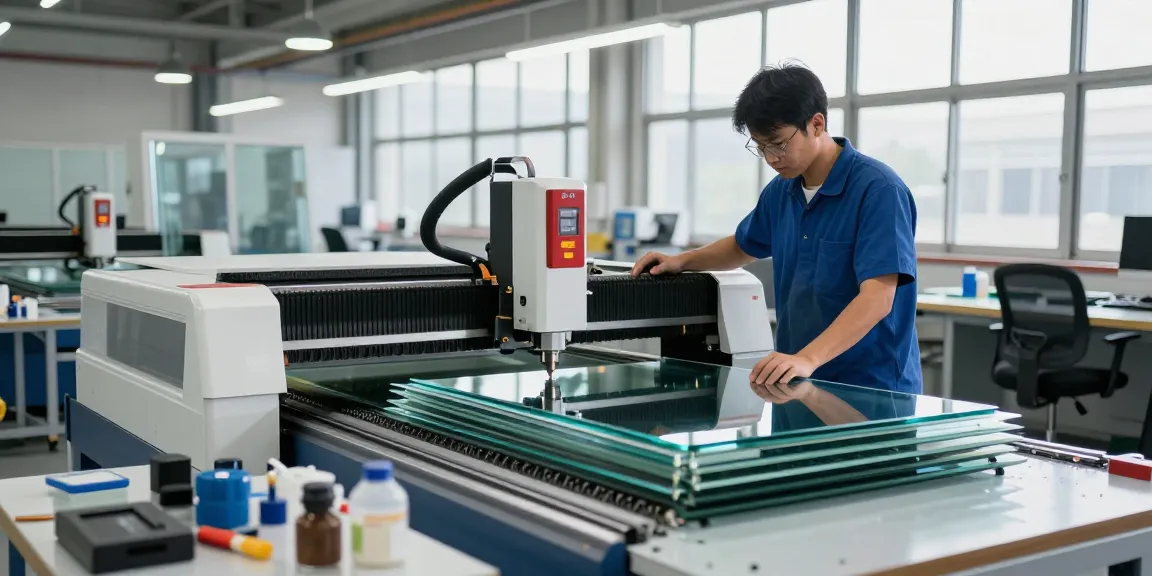
CNC glass cutting machine in action, showcasing precision glass processing in a modern workshop environment.

Understanding CNC Glass Cutting Technology

CNC glass cutting technology has revolutionized the way glass is processed, providing manufacturers with enhanced precision, efficiency, and versatility. At the core of this technological advancement are CNC glass cutting machines, which use computer-controlled systems to automate the cutting process. This automation not only increases the speed of production but also minimizes human error, leading to consistently high-quality glass products. When exploring options, glass cutting machine cnc offers comprehensive insights into the latest developments in this area, showcasing a range of solutions tailored to meet diverse manufacturing needs.

What is a CNC Glass Cutting Machine?

A CNC (Computer Numerical Control) glass cutting machine is a specialized tool designed to cut and shape glass with unparalleled accuracy. Unlike traditional manual methods, which rely heavily on human skill and precision, CNC machines operate through pre-programmed computer commands that guide the machine’s movements. This method allows for intricate designs and complex shapes to be cut from glass sheets, making it an invaluable asset in industries such as architecture, automotive, and decorative arts.

Benefits of Using CNC for Glass Cutting

  • Precision and Accuracy: CNC machines can achieve tolerances as tight as ±0.1mm, ensuring that each piece of glass is cut exactly as specified.
  • Reduced Labor Costs: Automation reduces the need for manual labor, leading to lower operational costs and the ability to allocate resources to other critical areas.
  • Enhanced Production Speed: The speed of CNC cutting machines allows for higher output rates, which is vital for meeting market demands.
  • Flexibility in Design: CNC technology can handle complex geometric designs that would be impossible or highly labor-intensive to cut manually.

Key Features to Look for in CNC Glass Cutting Machines

When considering the purchase of a CNC glass cutting machine, it is essential to evaluate several key features that can impact its performance and your production processes:

  • Cutting Area Size: Larger machines can accommodate larger glass sheets, which is crucial for specific applications.
  • Software Compatibility: Ensure that the machine can integrate seamlessly with your existing CAD/CAM software.
  • Cutting Speed and Efficiency: Look for machines with adjustable speeds to optimize the cutting process for different glass types.
  • Safety Features: Machines should have adequate safety mechanisms to protect operators from hazards associated with glass cutting.

Types of CNC Glass Cutting Machines

Automatic vs. Semi-Automatic CNC Glass Cutters

Understanding the differences between automatic and semi-automatic CNC glass cutters is vital for selecting the right equipment for your production needs. Automatic CNC glass cutters can operate independently, requiring minimal operator intervention. They are ideal for high-volume production environments where efficiency is crucial. On the other hand, semi-automatic machines require some manual setup and operation, making them suitable for smaller operations or those that handle a diverse range of glass products.

Specialized Machines for Different Glass Types

CNC glass cutting machines can be tailored for specific types of glass, including tempered, laminated, and insulated glass. Each glass type has unique properties that necessitate different cutting techniques and settings. For instance, machines designed for tempered glass must account for its increased strength and potential for shattering when not handled correctly. Understanding these specifics ensures that manufacturers get the most out of their CNC machines while producing safe and reliable glass products.

Comparing CNC Glass Cutting Machines to Traditional Methods

While traditional methods of glass cutting, such as hand scoring and breaking, are still in use today, they come with several limitations. CNC machines dramatically reduce material waste and improve accuracy compared to manual techniques. The learning curve for new operators is also less steep with CNC systems, allowing companies to train staff quickly and get them up to speed on production.

Choosing the Right CNC Glass Cutting Machine

Assessing Your Glass Processing Needs

Before investing in a CNC glass cutting machine, it’s essential to assess your specific glass processing needs. Determine the types of glass you will be cutting, the production volume, and the complexity of the designs you intend to create. This analysis will help guide your decision, ensuring that you choose a machine that meets your operational requirements without overspending on unnecessary features.

Budget Considerations and Cost Analysis

Budgeting for a CNC glass cutting machine involves more than just the initial purchase price. Consider ongoing costs such as maintenance, training, and software upgrades. Additionally, factor in potential savings from reduced labor costs and increased production efficiency, which can offset the initial investment over time.

Evaluating Manufacturer Reliability and Support

Choosing a reputable manufacturer is critical for ensuring the longevity and efficiency of your CNC glass cutting machine. Look for manufacturers with a track record of reliability, strong customer support, and readily available spare parts. A company that offers comprehensive customer service can be invaluable for troubleshooting and ensuring that your machine remains operational.

Best Practices for Operating CNC Glass Cutting Machines

Safety Precautions When Using CNC Machines

Safety should always be a priority when operating CNC glass cutting machines. Operators should wear protective gear, such as safety goggles and gloves, to shield against glass shards and debris. Additionally, machines should be equipped with safety guards and emergency stop buttons to prevent accidents.

Optimizing Machine Settings for Maximum Efficiency

To achieve optimal performance from your CNC glass cutting machine, it is crucial to regularly adjust and fine-tune machine settings based on the type of glass and the complexity of the cuts. Consider factors such as cutting speed, pressure, and tool selection. A well-optimized machine not only improves production quality but also extends the lifespan of the equipment.

Maintenance Tips to Extend Machine Life

Regular maintenance is essential for prolonging the life of your CNC glass cutting machine. This includes cleaning the machine regularly, checking for worn parts, and ensuring that software is updated. Developing a maintenance schedule and adhering to it can prevent costly breakdowns and ensure consistent production quality.

Future Trends in CNC Glass Cutting Technology

Innovations to Expect in 2026 and Beyond

The future of CNC glass cutting technology is filled with exciting innovations. Emerging technologies, such as advanced automation, artificial intelligence, and enhanced software capabilities, are expected to further transform the industry. These advancements promise to improve precision, efficiency, and the ease of integration with other manufacturing processes.

The Impact of Automation on Glass Processing Industry

As automation becomes increasingly integrated into glass processing operations, companies that adopt these technologies will likely gain a competitive advantage. Automated systems can streamline workflows, reduce labor costs, and minimize material waste, leading to a more sustainable and efficient production cycle.

Adapting to Market Demands with Advanced CNC Solutions

To stay competitive in the glass processing industry, businesses must be prepared to adapt to ever-changing market demands. This may involve investing in advanced CNC solutions that offer greater flexibility and customization options. By staying ahead of technological trends and market needs, companies can ensure their long-term success and relevance in the industry.

What is the cost of a CNC glass cutting machine?

The cost of a CNC glass cutting machine can vary significantly based on its specifications, features, and capabilities. Entry-level machines may start at around $40,000, while high-end models can exceed $200,000. Factors influencing price include machine size, automation level, and additional features such as software integrations.

How does a CNC glass cutting machine differ from manual cutting?

CNC glass cutting machines differ from manual cutting methods primarily in the level of precision and automation they provide. While manual methods rely heavily on the skill of the operator, CNC machines use computer programs to execute cuts with high accuracy, significantly reducing the likelihood of human error and material waste.

What are the advantages of using CNC machining for glass?

CNC machining offers numerous advantages for glass processing, including enhanced precision, reduced production time, and the ability to produce complex shapes and designs consistently. Additionally, CNC machines can operate continuously, allowing for increased production capacity and efficiency.

How can businesses benefit from investing in CNC technology?

Investing in CNC technology can provide businesses with a competitive edge in the glass processing industry. Benefits include better product quality, reduced labor expenses, and increased operational efficiency, enabling companies to meet customer demands more effectively and profitably.

What maintenance does a CNC glass cutting machine require?

Maintenance for CNC glass cutting machines includes regular cleaning, lubrication of moving parts, inspection of cutting tools, and software updates. Following a structured maintenance schedule can prevent unexpected breakdowns and prolong the life of the equipment.

Posted on

Advancements in Heavy Industry: Engineering for the Future

Heavy Industry and Engineering

Fundamentals of Heavy Industry

Heavy industry forms the backbone of modern economies, playing a pivotal role in the production and manufacturing of goods that are essential for daily life and technological advancement. This sector encompasses a broad range of activities, from the extraction of raw materials to the production of heavy machinery and infrastructure development. Understanding the fundamentals of heavy industry is crucial for professionals, students, and stakeholders involved in engineering and manufacturing.

Definition and Scope of Heavy Industry

Heavy industry refers to the large-scale manufacturing processes that involve the transformation of raw materials into finished products, typically using significant amounts of energy and resources. This sector includes industries such as steel manufacturing, shipbuilding, automotive, aerospace, construction, and mining. The scope of heavy industry is considerable, impacting various sectors including defense, transportation, and energy. Heavy industry is characterized by:

  • High capital investment: Businesses in this sector often require substantial financial resources to establish and maintain operations.
  • Large-scale operations: Heavy industries typically produce goods in bulk, necessitating extensive facilities and workforce.
  • Complex supply chains: The nature of operations often involves intricate logistics and supply chains to manage raw materials and distribution.

Key Sectors and Their Contributions

Several sectors fall under the umbrella of heavy industry, each contributing uniquely to the economy. Below are a few key sectors and their contributions:

  • Steel Industry: Vital for construction and manufacturing, the steel industry contributes billions to the global GDP and employs millions worldwide. For example, in 2021, the global crude steel production was approximately 1.95 billion metric tons.
  • Shipbuilding: This sector is essential for global trade, as over 90% of the world’s goods are transported by sea. Major shipbuilding nations include South Korea, China, and Japan, which dominate the market.
  • Aerospace: With a focus on innovation and safety, the aerospace sector is crucial for transportation and defense, contributing significantly to national economies through job creation and technological advancements.
  • Mining: The extraction of minerals and resources is foundational for other industries, providing essential raw materials such as coal, copper, and iron ore.

Challenges Faced by Heavy Industry

Despite its contributions, heavy industry faces numerous challenges that can hinder growth and sustainability. Key challenges include:

  • Regulatory Compliance: Adhering to environmental and safety regulations can be complex and costly, impacting operational efficiency.
  • Technological Advancements: Keeping pace with rapid technological changes can be a challenge, requiring continuous investment in new technologies and training.
  • Labor Shortages: The sector often struggles with attracting and retaining skilled labor, exacerbated by an aging workforce.
  • Market Volatility: Fluctuations in demand and raw material prices can significantly affect profitability and operational stability.

Engineering Principles in Heavy Industry

The success of heavy industry is grounded in a variety of engineering principles. These principles govern the design, construction, and operation of industrial systems and structures, ensuring efficiency, safety, and sustainability.

Core Engineering Disciplines Applied

Heavy industry incorporates several core engineering disciplines, each contributing to the sector’s overall functionality:

  • Civil Engineering: Essential for infrastructure development, civil engineers design and construct buildings, bridges, and other structures that support industrial operations.
  • Mechanical Engineering: Focused on the design and manufacturing of machinery, mechanical engineers play a vital role in improving productivity and efficiency in manufacturing processes.
  • Chemical Engineering: Chemical engineers are crucial in processes involving the transformation of raw materials, particularly in industries such as petrochemicals and pharmaceuticals.
  • Electrical Engineering: This discipline ensures that machinery and equipment operate smoothly, involving power supply, automation, and control systems.

Materials Science and Its Importance

Materials science is a fundamental aspect of heavy industry, influencing the selection and application of materials used in manufacturing. Understanding the properties and behaviors of materials is essential for optimizing performance and durability. Key points include:

  • Material Selection: Engineers must choose materials that meet specific requirements for strength, weight, and corrosion resistance. For example, titanium alloys are favored in aerospace for their strength-to-weight ratio.
  • Innovation in Materials: Advances in composites and nanomaterials are driving innovation in heavy industry, allowing for the development of lighter and stronger products.
  • Testing and Quality Assurance: Rigorous testing of materials ensures safety and reliability, particularly in sectors like aerospace and automotive.

Design and Manufacturing Processes

The design and manufacturing processes in heavy industry are complex and multifaceted, often requiring collaboration across various engineering disciplines. Key aspects include:

  • Design for Manufacturability (DFM): This principle emphasizes designing products in a way that simplifies manufacturing processes, reducing costs and time.
  • Lean Manufacturing: Implementing lean principles helps minimize waste and maximize productivity, a crucial aspect for staying competitive in the heavy industry.
  • Advanced Manufacturing Techniques: Technologies such as 3D printing and additive manufacturing are transforming traditional processes, allowing for more efficient production and customization.

Advanced Technologies in Heavy Industry

The integration of advanced technologies is reshaping heavy industry, enhancing efficiency, safety, and overall productivity. These innovations are crucial for staying competitive in a rapidly evolving market.

The Role of Automation and Robotics

Automation and robotics play a transformative role in heavy industry by streamlining operations and minimizing human error. Examples include:

  • Automated Assembly Lines: Many automotive manufacturers, such as Toyota, use automated assembly lines to improve speed and consistency in production.
  • Robotic Welding: In industries like shipbuilding, robotic welding enhances precision and reduces labor costs, resulting in higher-quality products.
  • Predictive Maintenance: Automation technologies allow for real-time monitoring of machinery, predicting failures before they occur and minimizing downtime.

Integration of IoT in Heavy Engineering

The Internet of Things (IoT) is revolutionizing heavy engineering by enabling interconnectivity between machines, systems, and devices. This integration offers numerous benefits:

  • Real-Time Data Analytics: IoT devices collect and analyze data in real time, allowing for informed decision-making and enhanced operational efficiency.
  • Supply Chain Optimization: IoT facilitates improved tracking of materials and products throughout the supply chain, reducing delays and costs.
  • Remote Monitoring: Operators can monitor equipment remotely, enhancing safety and operational efficiency.

Impact of Artificial Intelligence on Operations

Artificial Intelligence (AI) is increasingly being adopted in heavy industry, offering capabilities that enhance operations and decision-making processes:

  • Data-Driven Insights: AI algorithms analyze vast datasets to identify trends, optimize processes, and predict outcomes, leading to improved efficiency.
  • Quality Control: AI can be used for automated inspection processes, ensuring that products meet quality standards without the need for extensive manual checks.
  • Energy Management: AI systems can optimize energy consumption in manufacturing processes, contributing to sustainability efforts.

Environmental Considerations and Sustainability

As global awareness of environmental issues increases, heavy industry faces pressure to adopt sustainable practices. Addressing environmental considerations is not only essential for compliance but also for enhancing corporate responsibility.

Regulations and Compliance in Heavy Industry

Heavy industry is subject to numerous regulations aimed at protecting the environment and ensuring workplace safety. Compliance with these regulations is crucial for operational success:

  • Environmental Protection Agency (EPA): In the United States, the EPA enforces regulations that limit emissions and discharges from industrial activities.
  • ISO Standards: Many companies pursue ISO certifications to demonstrate their commitment to environmental management, such as ISO 14001.
  • Health and Safety Regulations: Compliance with OSHA standards ensures worker safety and can mitigate risks associated with industrial operations.

Innovative Practices for Reducing Waste

Implementing innovative practices can significantly reduce waste in heavy industry, leading to cost savings and environmental benefits:

  • Circular Economy: Embracing a circular economy approach involves designing products for reuse and recycling, minimizing waste generation.
  • Lean Manufacturing: This methodology focuses on eliminating waste throughout the production process, from raw material acquisition to final delivery.
  • Waste-to-Energy Technologies: Utilizing waste materials to generate energy can reduce landfill use and provide an alternative energy source for operations.

Renewable Energy Applications in Heavy Engineering

Heavy industry is increasingly adopting renewable energy solutions to power operations and reduce carbon footprints. Key applications include:

  • Solar Energy: Many manufacturing facilities are installing solar panels to harness renewable energy, reducing reliance on fossil fuels.
  • Wind Energy: Wind farms are providing energy to heavy industrial operations, particularly in regions with favorable wind conditions.
  • Energy Storage Solutions: Advanced battery technologies are enabling industries to store excess renewable energy for use during peak demand periods.

Future Trends and Strategic Developments

The heavy industry landscape is continuously evolving, with emerging trends and strategic developments shaping its future. Staying ahead of these trends is essential for long-term success.

Emerging Markets and Global Impact

Emerging markets are becoming increasingly influential in heavy industry, with countries in Asia, Africa, and South America leading growth:

  • Infrastructure Development: Rapid urbanization in these regions is driving demand for infrastructure, resulting in increased investments in heavy industry.
  • Resource Availability: Emerging markets often have abundant natural resources, making them attractive locations for heavy industrial operations.
  • Global Trade Dynamics: As emerging economies grow, they will play a larger role in global supply chains, impacting pricing and availability of goods.

Investment in Research and Development

Investing in research and development (R&D) is critical for innovation and competitiveness in heavy industry. Key considerations include:

  • Technological Advancements: R&D efforts can lead to groundbreaking technologies that improve efficiency, safety, and sustainability.
  • Collaboration with Academia: Partnering with universities and research institutions can facilitate knowledge sharing and access to cutting-edge research.
  • Government Incentives: Many governments offer grants and incentives for R&D activities, encouraging industries to innovate.

Collaboration with Technology Startups

Collaboration with technology startups is becoming increasingly important in heavy industry, as these partnerships can lead to innovative solutions:

  • Access to Cutting-Edge Technologies: Startups often bring fresh perspectives and technologies that can enhance industrial processes.
  • Agility and Flexibility: Startups can respond quickly to market changes, making collaborations beneficial for large industrial firms seeking to adapt.
  • Joint Ventures: Forming joint ventures with startups can provide the resources needed to scale innovative solutions while sharing risks.