Posted on

How to Evaluate 상봉동 한국관 Like an Expert in 2026

People enjoying traditional Korean dishes at 상봉동 한국관, capturing vibrant street dining atmosphere.

Understanding the Culinary Landscape of Sangbong-dong

Sangbong-dong is a vibrant neighborhood in Seoul, known for its rich culinary traditions and evolving food culture that attracts both locals and visitors alike. The presence of restaurants like 상봉동 한국관 showcases the diversity of Korean cuisine while demonstrating the neighborhood’s historical significance in the broader context of South Korean culinary arts. The area is steeped in history, reflecting centuries of gastronomic evolution that continues to influence modern dining experiences.

Historical Significance of Korean Cuisine

Korean cuisine has a storied past that intertwines with the country’s cultural heritage, shaped by geography, climate, and historical events. Influences from neighboring countries, including China and Japan, are evident in many traditional dishes, yet Korean cuisine has evolved to establish its own unique identity. The importance of fermented foods such as kimchi and gochujang is a testament to the innovative spirit of Korean cooks throughout history, which is evident in establishments like 상봉동 한국관, where these ingredients play a central role in many offerings.

Trends Defining 2026’s Food Scene

As we look ahead to 2026, several trends are shaping the culinary landscape in Sangbong-dong and beyond. One significant trend is the growing popularity of health-conscious dining, with many restaurants incorporating organic and locally sourced ingredients into their menus. Additionally, the rise of plant-based eating has influenced traditional Korean cuisine, leading to creative interpretations that cater to vegetarian and vegan diets without losing authenticity. These trends are essential for restaurants to remain relevant and appealing to diverse dining preferences.

Popular Dishes at 상봉동 한국관

When visiting 상봉동 한국관, diners can expect a menu filled with beloved Korean dishes such as bulgogi, bibimbap, and sundubu-jjigae. Each dish is prepared with an emphasis on traditional techniques while allowing for creative expression that resonates with the modern palate. For instance, their take on bibimbap features seasonal vegetables and a perfectly fried egg that enhances the flavor profile, drawing customers in for more than just a meal, but an experience.

Accessing 상봉동 한국관’s Offerings

How to Navigate the Restaurant’s Menu

Navigating the menu at 상봉동 한국관 can be an exciting adventure for first-time visitors and seasoned diners alike. It is structured to highlight both traditional and contemporary dishes, allowing guests to explore a spectrum of flavors. Each item is thoughtfully described, providing insights into the ingredients and preparation methods, making it easier to choose based on personal tastes and dietary preferences.

Best Times to Experience Dining

The dining experience at 상봉동 한국관 is often enhanced by timing. Evenings and weekends tend to be busier, creating an energetic atmosphere perfect for social dining. To enjoy a more relaxed experience, consider visiting during weekday lunch hours when the restaurant may offer special lunch menus at reduced prices, allowing guests to savor the same quality dishes in a quieter setting.

Understanding Reservation Policies

Reservations at 상봉동 한국관 are highly recommended, especially on weekends or during holidays when foot traffic can surge. The restaurant’s policy encourages diners to book ahead to guarantee a table, particularly for larger groups. Guests can easily make reservations online or by phone, ensuring their desired time slot and reducing wait times upon arrival.

Exploring Customer Experiences

Reading Reviews: What to Look For

When assessing a restaurant like 상봉동 한국관, reading customer reviews can provide valuable insights into the overall dining experience. Pay attention to comments regarding food quality, service speed, and ambiance. Frequent mentions of specific dishes can guide choices, while reviews that address service consistency can help set expectations going into the meal.

Common Challenges and Solutions

Like any dining establishment, 상봉동 한국관 faces challenges that may affect customer satisfaction. One common issue might be wait times during peak hours. However, the staff is trained to manage the flow and provide updates to waiting guests. Additionally, dietary restrictions should be communicated upfront to the staff to ensure that everyone’s needs are met, with alternative options available for various preferences.

Community Feedback and Engagement

The engagement between 상봉동 한국관 and its patrons extends beyond the dining experience. The restaurant often participates in community events and promotes customer feedback through social media platforms. This interaction allows diners to voice their opinions and suggestions, fostering a sense of community around the restaurant and encouraging repeat visits.

Maximizing Your Dining Experience

Pairing Drinks with Korean Dishes

To elevate the dining experience at 상봉동 한국관, considering drink pairings can enhance the flavors of the meal. Traditional Korean beverages such as soju or makgeolli complement many dishes beautifully. Alternatively, non-alcoholic options like sikye, a sweet rice beverage, can provide a refreshing contrast to spicy meals, making for a well-rounded culinary journey.

Utilizing Loyalty Programs Effectively

Frequent diners at 상봉동 한국관 may benefit from loyalty programs that reward repeat visits. Enrolling in these programs typically offers perks such as discounts, special menu items, or access to exclusive events. Staying updated on these offers can enhance the dining experience while saving money.

Participating in Local Food Events

Sangbong-dong hosts various food events throughout the year, and participating can be an excellent way to engage with the local food scene. Events often feature cooking demonstrations, tasting sessions, and opportunities to meet restaurant chefs, including those from 상봉동 한국관. Such interactions can deepen the appreciation for Korean cuisine and foster lasting connections within the community.

Future Trends in Dining at 상봉동 한국관

Innovations in Traditional Cooking

The future of dining at 상봉동 한국관 looks promising, as innovations in traditional cooking techniques are poised to redefine the dining landscape. Chefs are increasingly experimenting with fusion elements, merging traditional Korean flavors with global culinary practices to present new interpretations of classic dishes. This not only attracts a broader audience but also keeps the menu fresh and exciting.

Sustainable Practices in the Restaurant Industry

As sustainability becomes a more pressing concern for consumers, restaurants like 상봉동 한국관 are likely to adopt greener practices. These may include sourcing ingredients locally, reducing food waste, and implementing eco-friendly packaging for take-out options. Such initiatives resonate with environmentally conscious diners and can enhance the restaurant’s reputation within the community.

Anticipating New Menu Items for 2026

Looking toward 2026, diners can expect exciting new menu items at 상봉동 한국관 that reflect current food trends and customer preferences. Anticipation for seasonal dishes that highlight fresh, local produce will likely grow. Additionally, expanding vegetarian and vegan options may attract a wider audience, ensuring that the restaurant stays relevant in a constantly changing culinary landscape.

What dishes should I try at 상봉동 한국관?

When visiting 상봉동 한국관, must-try dishes include the marinated bulgogi, which offers a savory and slightly sweet flavor profile, as well as the traditional kimchi jjigae, a staple comfort food that showcases the essence of Korean cooking.

How can I make a reservation at 상봉동 한국관?

Reservations at 상봉동 한국관 can be made through their official website or by calling the restaurant directly. It is advisable to secure a reservation, especially for peak dining times or special occasions.

What is the ambiance like at 상봉동 한국관?

The ambiance at 상봉동 한국관 is warm and inviting, with traditional Korean decor that enhances the dining experience. Soft lighting and comfortable seating create an intimate atmosphere, perfect for family gatherings or romantic dinners.

Are there vegetarian options at 상봉동 한국관?

Yes, 상봉동 한국관 offers a range of vegetarian options, including dishes such as vegetable bibimbap and tofu stew, making it accessible for those with dietary restrictions.

How does 상봉동 한국관 cater to dietary restrictions?

The restaurant is attentive to dietary restrictions, allowing guests to communicate their needs when ordering. Chefs are willing to modify dishes to accommodate allergies or specific diet requirements, ensuring that everyone can enjoy the meal.
Posted on

Warum sollten Feinschmecker jetzt auf vegetarische Suppen achten? Essenzielle Rezepte, die Ihre Seele 2026 erwärmen

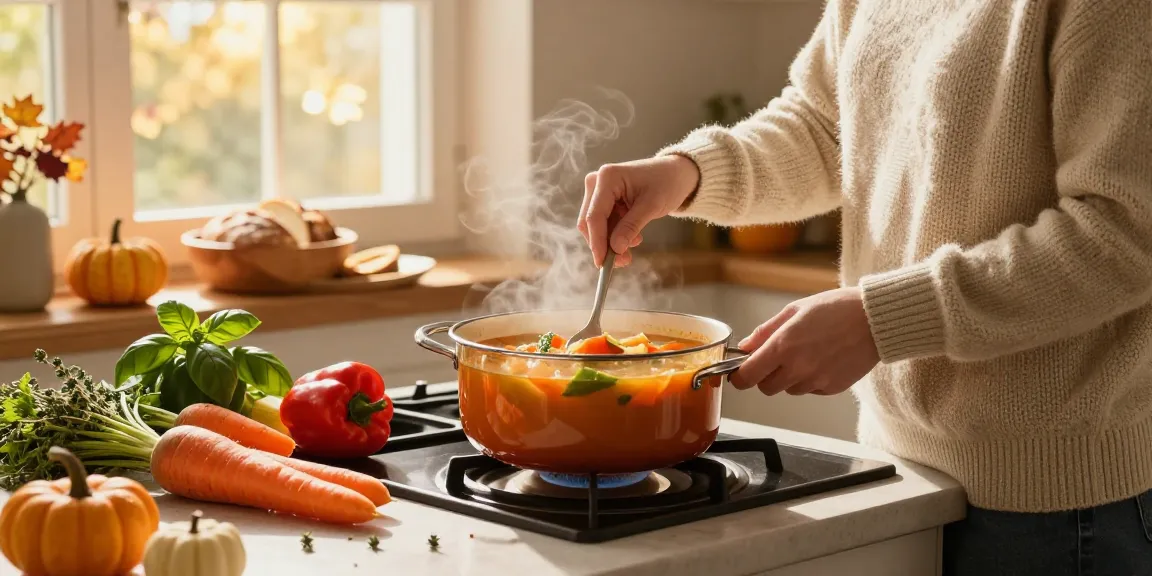
Leckere vegetarische Suppe, die in einer gemütlichen Küche zubereitet wird, mit frischen Gemüse und einer warmen Atmosphäre.

Vegetarische Suppe verstehen: Die Grundlagen

Die vegetarische Suppe ist nicht nur eine einfache Mahlzeit, sondern ein Fest der Aromen und Nährstoffe, das in vielen Küchen weltweit geschätzt wird. Sie bietet eine hervorragende Möglichkeit, saisonales Gemüse und Kräuter in köstlichen Kombinationen zu vereinen. Diese Suppen sind nicht nur für Vegetarier geeignet, sondern auch für alle, die eine gesunde und geschmackvolle Option suchen, die sowohl den Gaumen erfreut als auch nährstoffreich ist.

Was ist vegetarische Suppe?

Vegetarische Suppen sind flüssige Gerichte, die ohne tierische Produkte zubereitet werden. Sie können eine Vielzahl von Zutaten enthalten, darunter Gemüse, Hülsenfrüchte, Getreide und pflanzliche Brühen. Das Ziel ist es, eine aromatische und nahrhafte Grundlage zu schaffen, die den echten Geschmack der verwendeten Zutaten hervorhebt. Es gibt zahlreiche Varianten, von einfachen Gemüsesuppen bis hin zu raffinierten Pürees, die durch spezielle Gewürze und Kräuter verfeinert werden.

Die ernährungsphysiologischen Vorteile von vegetarischen Suppen

Vegetarische Suppen bieten zahlreiche gesundheitliche Vorteile. Sie sind in der Regel kalorienarm und nährstoffreich, enthalten Vitamine, Mineralien und Antioxidantien, die zur allgemeinen Gesundheit beitragen. Besonders hervorzuheben sind:

  • Vielseitigkeit: Sie können saisonale Zutaten verwenden, was den Nährstoffgehalt erhöht.
  • Gesundheitsvorteile: Die Verwendung von frischem Gemüse und Hülsenfrüchten kann das Risiko chronischer Krankheiten senken.
  • Gewichtsmanagement: Sie sind sättigend und helfen, das Hungergefühl zu kontrollieren.

Gewöhnliche Zutaten für köstliche vegetarische Suppen

Die Auswahl der Zutaten spielt eine entscheidende Rolle beim Kochen von Suppen. Hier sind einige gängige Zutaten, die oft in vegetarischen Suppen verwendet werden:

  • Frisches Gemüse (Karotten, Sellerie, Zwiebeln, Tomaten)
  • Hülsenfrüchte (Linsen, Bohnen, Kichererbsen)
  • Getreide (Quinoa, Reis, Nudeln)
  • Kräuter und Gewürze (Basilikum, Petersilie, Knoblauch)
  • Pflanzliche Brühen oder Wasser für die Basis

Kreative Rezepte für vegetarische Suppe

Wenn Sie auf der Suche nach Inspiration für Ihre nächste Suppe sind, gibt es eine Vielzahl von kreativen Rezepten, die Ihre Geschmacksknospen erfreuen werden. Hier sind einige Kategorien, um Ihre Optionen zu erkunden:

Herzliche Gemüse- und Bohnensuppen

Diese herzhaften Suppen sind perfekt für kältere Tage. Ein Beispiel ist eine rustikale Linsensuppe, die mit frischen Kräutern und Gewürzen zubereitet wird. Sie ist nicht nur schmackhaft, sondern auch reich an Proteinen und Ballaststoffen.

Erfrischende kalte Suppen für den Sommer

Für heiße Tage sind kalte Suppen wie Gazpacho eine erfrischende Option. Diese spanische Suppe wird aus frischen Tomaten, Gurken und Paprika zubereitet und hat einen herrlich erfrischenden Geschmack.

Wärmende Wintersuppen für kalte Tage

Im Winter sind Cremesuppen wie eine feine Kürbis-Ingwer-Suppe eine wunderbare Wahl. Der Ingwer verleiht der Suppe eine angenehme Schärfe, während der Kürbis für eine cremige Konsistenz sorgt.

Kochen Techniken für perfekte vegetarische Suppen

Die Zubereitung von Suppen ist oft eine Kunst. Hier sind einige Techniken, die Ihnen helfen können, die perfekte vegetarische Suppe zuzubereiten:

Pürieren vs. Stückige Suppen: Finden Sie Ihre Vorliebe

Ein wichtiger Aspekt beim Suppenkochen ist die Textur. Einige Menschen bevorzugen pürierte Suppen für ihre cremige Konsistenz, während andere Stücke bevorzugen, die mehr Biss haben. Experimentieren Sie, um herauszufinden, was Ihnen am besten schmeckt.

Wie man den Geschmack ohne Fleisch verstärkt

Ein häufiger Mythos ist, dass die Verwendung von Fleisch notwendig ist, um einen reichen Geschmack zu erzielen. Stattdessen können Sie mit der richtigen Kombination von Gewürzen, aromatischen Zutaten und langem Kochen eine tiefe Geschmacksbasis schaffen. Versuchen Sie, verschiedene Kräuter und Gewürze auszuprobieren.

Tipps für die Mahlzeitenvorbereitung und Lagerung

Vegetarische Suppen sind ideal für die Mahlzeitenvorbereitung. Sie können in großen Mengen hergestellt und portioniert werden, um sie an arbeitsreichen Tagen schnell genießen zu können. Achten Sie darauf, die Suppe in luftdichten Behältern aufzubewahren, damit die Frische erhalten bleibt.

Vegetarische Suppenbegleitungen und Serviervorschläge

Um das Suppenerlebnis zu vervollständigen, sind hier einige begleitende Speisen und Präsentationsideen:

Die besten Beilagen zu Ihrer Suppe

Beilagen wie frisches Brot, Cracker oder Bruschetta harmonieren hervorragend mit nahezu jeder Suppe. Auch ein frischer Salat kann die Mahlzeit abrunden und zusätzliche Nährstoffe liefern.

Innovative Präsentationsideen

Die Präsentation kann viel zur Wahrnehmung eines Gerichts beitragen. Servieren Sie Ihre Suppe in ungewöhnlichen Schalen oder garnieren Sie sie mit frischen Kräutern oder einem Spritzer Sahne für einen ansprechenden Look.

Getränkepaarungen: Die perfekten Ergänzungen

Ein passendes Getränk kann die Aromen Ihrer Suppe verstärken. Leichte Weißweine oder selbstgemachte Limonade passen gut zu den meisten Gemüsesuppen. Achten Sie darauf, die Geschmäcker aufeinander abzustimmen.

Zukünftige Trends bei vegetarischen Suppen für 2026 und darüber hinaus

Die Welt der vegetarischen Suppen entwickelt sich ständig weiter. Hier sind einige kommende Trends, die Sie im Auge behalten sollten:

Pflanzenbasierte Innovationen in der Suppenbereitung

In den kommenden Jahren wird die Nachfrage nach pflanzenbasierten Zutaten weiter steigen. Innovationen in der Lebensmitteltechnik werden neue Möglichkeiten bieten, um Geschmäcker und Texturen zu optimieren.

Marktentwicklungen: Der Anstieg der Bequemlichkeit beim gesunden Essen

Immer mehr Menschen suchen nach schnellen und gesunden Mahlzeiten. Fertigpackungen, die hochwertige, vegetarische Suppen anbieten, werden an Beliebtheit gewinnen.

Experteneinsichten zu nachhaltigen Zutaten

Nachhaltigkeit wird eine treibende Kraft in der Lebensmittelindustrie sein. Verbraucher interessieren sich zunehmend für die Herkunft ihrer Lebensmittel, was zu einem Anstieg von lokal produzierten Zutaten führen könnte.

Welche Zutaten werden in zukünftigen Suppen dominieren?

Es wird erwartet, dass Proteinquellen wie Hülsenfrüchte und Nüsse in vegetarischen Suppen an Bedeutung gewinnen. Diese Zutaten bieten nicht nur Nährstoffe, sondern auch interessante Geschmackskombinationen.

Wie man Rezepte an diätetische Einschränkungen anpasst?

Die Anpassung von Rezepten an spezielle diätetische Bedürfnisse wird wichtiger. Ob glutenfrei, vegan oder allergiefreundlich – die Flexibilität bei der Zubereitung von Suppen wird ein wichtiges Kriterium sein.

Posted on

Comprehensive Fast Food Menu 2026: Essential Insights for Lovers

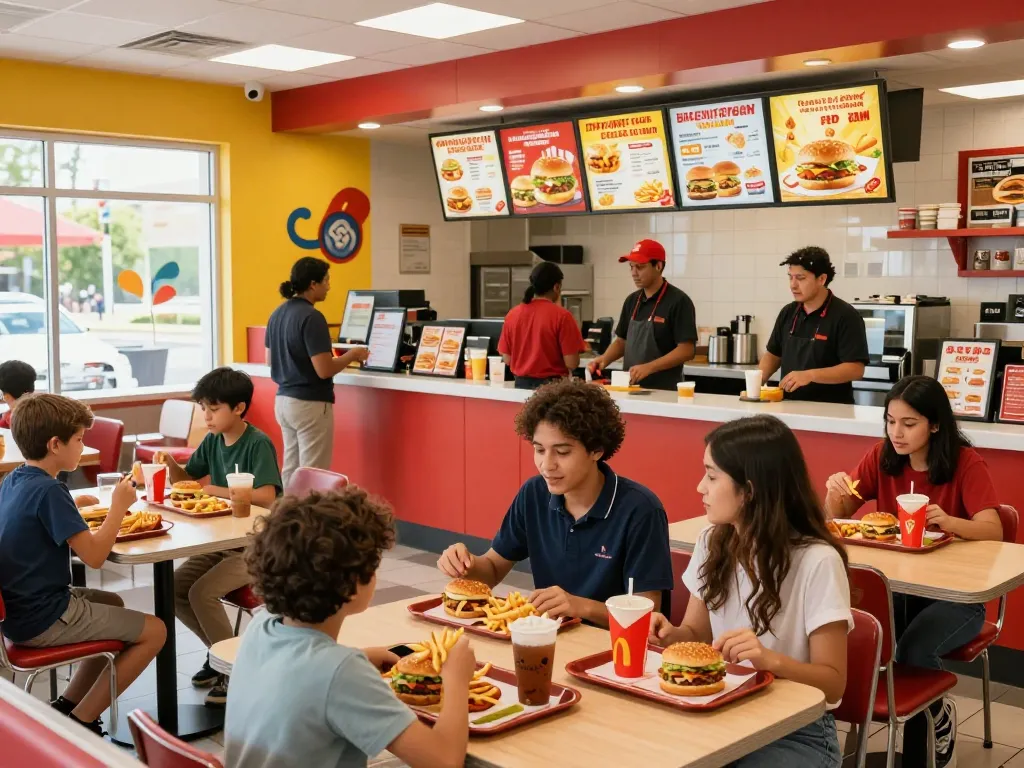
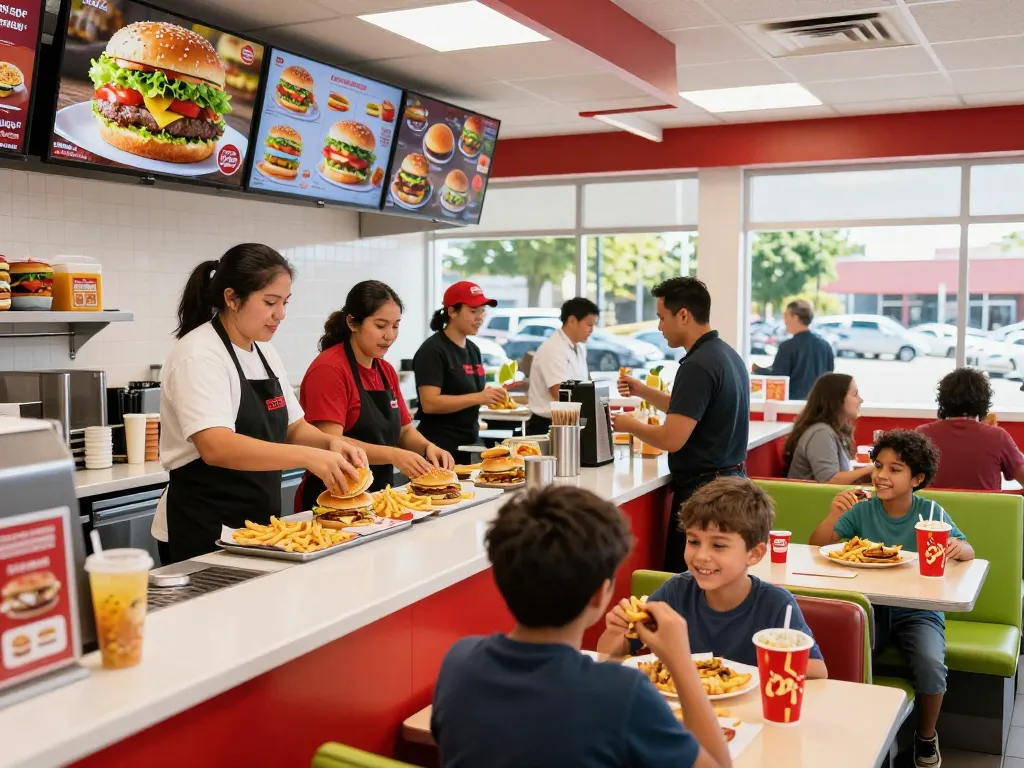
Fast food menu displayed in a lively restaurant with diners enjoying meals.

Understanding Fast Food Menus

Fast food menus have become a staple of modern dining culture, offering quick and convenient meal options for busy individuals and families alike. With the rise of fast food chains across the globe, understanding what constitutes a typical fast food menu is essential for both consumers and industry professionals. From burgers and fries to salads and smoothies, the variety can be overwhelming. As we delve into the intricacies of fast food menus, it’s important to stay informed about the latest trends and options available to the discerning customer, as well as how resources like fast food menu provide valuable insights into popular choices.

What Makes Up a Fast Food Menu?

A standard fast food menu typically features a diverse array of items designed to appeal to a wide audience. The core components include:

  • Burgers: The quintessential fast food item, available in various styles, sizes, and toppings.
  • Fried Chicken: Options range from traditional buckets to sandwiches, catering to different tastes.
  • Salads: Increasingly popular, these provide healthier options and often come with dressings and toppings.
  • Breakfast Items: Many chains now serve breakfast all day, featuring items like omelets, pancakes, and breakfast sandwiches.
  • Sides: Fries, onion rings, and apple slices are common, aimed at complementing main dishes.
  • Drinks and Desserts: A variety of sodas, milkshakes, and desserts like ice cream sundaes round out the menu.

Popular Fast Food Menu Items Across Chains

While each fast food chain may have its unique offerings, certain items have achieved iconic status. For example, the Big Mac at McDonald’s, the Whopper at Burger King, and Chick-fil-A’s chicken sandwich are renowned across the U.S. Often, these signature items not only define the brand but also become cultural touchstones in their own right.

Health Considerations When Choosing Fast Food

Fast food, while convenient, often comes with health considerations. High calorie counts, sodium levels, and saturated fats are common concerns among consumers. Here are a few tips for making healthier choices:

  • Opt for grilled instead of fried items.
  • Choose salads with dressing on the side.
  • Ask for smaller portion sizes or share larger meals.
  • Stay hydrated with water or unsweetened beverages instead of soda.

The Evolution of Fast Food Menus

Fast food menus have undergone significant transformations since their inception. Initially focusing on simplicity and pricing, today’s menus reflect broader trends in consumer preferences and health consciousness.

Historical Changes in Fast Food Offerings

In the early days, fast food menus were characterized by limited selections, primarily burgers and fries. Over the decades, increasing consumer demand for variety led to the introduction of salads, vegetarian options, and even international cuisines, such as the introduction of teriyaki chicken or tacos in non-traditional regions.

Trends Shaping Fast Food Menus in 2026

As we enter 2026, several trends are shaping fast food menus, including:

  • Healthier Options: Many chains are introducing lower-calorie, nutrient-dense options.
  • Plant-Based Foods: The rise of veganism has prompted chains to experiment with meat substitutes.
  • Customization: Offering choices in toppings and ingredients to cater to individual preferences.

Impact of Technology on Menu Innovation

Technology continues to revolutionize the fast food industry, especially in menu development. Digital ordering systems allow customers to customize their meals more easily, while AI can help analyze consumer trends to refine menu offerings.

Exploring Diverse Fast Food Menus

Fast food is not a monolithic category; it reflects regional preferences and dietary trends. Understanding these variations can enhance the dining experience for consumers.

Regional Variations in Fast Food Menus

In the United States, regional cuisine significantly affects fast food offerings. For example, in the Southwest, spicy options and Tex-Mex inspired items are popular, while New England may offer seafood-focused choices.

Vegetarian and Vegan Options in Fast Food

As the demand for plant-based diets increases, fast food chains are expanding their vegetarian and vegan offerings. Options such as Beyond Meat burgers and vegan nuggets are now common in many major chains, catering to health-conscious consumers.

Seasonal and Limited-Time Menu Items

Fast food chains often introduce seasonal items to create excitement and draw in customers. For example, pumpkin spice lattes in the fall or summer-inspired refreshing drinks are frequently featured.

Fast Food Menu Optimization for Businesses

For fast food businesses, optimizing the menu is crucial for success. This involves not only understanding customer preferences but also adjusting offerings based on feedback and sales data.

Best Practices for Menu Design

Effective menu design combines aesthetics with functionality. Clear layouts, appealing imagery, and highlighting popular items can enhance the customer experience. Using techniques like limited-time promotions can also create urgency and increase sales.

Utilizing Customer Feedback to Enhance Menus

Customer feedback is invaluable for optimizing fast food menus. Surveys, social media interactions, and online reviews provide insights into what customers love and what they wish to see changed.

Effective Marketing Strategies for Fast Food Menus

To attract customers, fast food chains must employ effective marketing strategies. This includes targeted advertising, collaborations with influencers, and promotional deals that incentivize visits during off-peak hours.

Future of Fast Food Menus

Looking ahead, the future of fast food menus is likely to be shaped by changing consumer habits and a greater emphasis on sustainability and health.

Predictions for Fast Food Menus in 2026 and Beyond

As the fast food industry adapts to new norms, predictions for 2026 include an increase in plant-based options, enhanced focus on sustainability, and the integration of technology in ordering and customer service.

Emerging Dietary Trends Influencing Fast Food

Trends such as gluten-free diets, low-carb options, and superfoods are forcing fast food chains to rethink traditional menu items and create innovative new offerings that cater to these preferences.

How Sustainability Will Shape Future Menus

With rising awareness around environmental issues, sustainability is becoming a priority. Many chains are adopting eco-friendly practices like minimizing waste and sourcing ingredients locally, which will likely be reflected in their menus.

What Fast Food Menu Trends Should Consumers Anticipate?

Consumers can expect flavors inspired by global cuisines, increased transparency about ingredient sourcing, and continued innovation in meal customization. These trends not only reflect changing tastes but also a growing demand for healthier and more responsible dining practices in the fast food industry.

Posted on

Essential 2026 Fast Food Menu Trends: What to Expect and Enjoy

Fast food menu scene with families enjoying meals in a vibrant restaurant atmosphere.

Understanding the Fast Food Menu Landscape

In today’s fast-paced world, the fast food menu serves not only as a source of quick nourishment but also as a reflection of consumer preferences and societal trends. Fast food chains continuously adapt their menus to meet the ever-evolving demands of customers, aiming to balance convenience with flavor and nutrition. When exploring options, fast food menu databases can provide comprehensive insights into what’s trending across various chains, helping consumers make informed choices.

What Defines a Fast Food Menu?

A fast food menu is characterized by its focus on quick service, affordability, and consistency. These menus include a variety of items ranging from burgers and fries to salads and desserts, designed to cater to a wide range of tastes and dietary preferences. Typically, fast food menus are designed for efficiency, offering items that can be prepared and served rapidly without compromising quality.

Evolution of Fast Food Menus Over the Years

The fast food industry has undergone significant transformations since its inception. Initially dominated by classic items such as hamburgers and fried chicken, today’s fast food menus incorporate global influences and cater to health-conscious consumers. Since the 1980s, chains have added vegetarian options and highlighted nutritional information, driven by rising awareness regarding health and diet.

Health Trends Impacting Fast Food Menus in 2026

As societal concerns about health continue to grow, fast food chains are responding with menus that reflect these trends. This shift not only meets consumer demand but also aligns with broader public health goals.

Increasing Demand for Healthier Fast Food Options

Consumers are increasingly seeking healthier fast food options. Chains are responding by offering items that are lower in calories, sodium, and unhealthy fats. Popular additions include salads, whole grain wraps, and fruit-based sides, which allow customers to enjoy fast food while making healthier choices.

Incorporating Plant-Based and Alternative Proteins

With the rise of veganism and plant-based diets, fast food menus are seeing an influx of plant-based protein options. Chains like Burger King and McDonald’s have introduced meat alternatives that cater to vegetarians, vegans, and flexitarians alike. This trend allows fast food restaurants to attract a wider audience while addressing sustainability concerns.

Caloric Transparency and Nutritional Information Accessibility

In an effort to promote healthier choices, fast food chains are increasingly providing caloric and nutritional information directly on their menus. This transparency allows customers to make more informed decisions about their meals, aligning with the growing demand for accountability in food sourcing and preparation.

Innovative Menu Additions for 2026

As fast food chains aim to capture consumer interest, innovation has become a key component of menu development. This includes not only food items but also the way meals are customized and presented to customers.

Exploring Global Flavors in Fast Food Menus

Today’s fast food menus reflect a globalized culinary landscape, featuring flavors and dishes from different cultures. From spicy Korean BBQ burgers to Indian-inspired wraps, these diverse offerings cater to adventurous eaters while also introducing customers to new culinary experiences.

Customization and Personalization in Ordering

With the advancement of technology, customers are now seeking customized fast food experiences. Many chains offer build-your-own options that allow customers to select specific ingredients for their meals, promoting a sense of ownership and personalization.

Limited-Time Offer Items and Seasonal Menus

Limited-time offerings (LTOs) have become a popular strategy among fast food chains to create excitement and urgency. Seasonal menus, such as pumpkin spice lattes in the fall or summer BBQ specialties, encourage repeat visits while allowing restaurants to experiment with new items.

Consumer Preferences and Fast Food Menus

Understanding consumer preferences is crucial for fast food chains, as these insights drive menu decisions and marketing strategies.

Impact of Digital Ordering on Fast Food Menus

The rise of digital ordering through apps and websites has reshaped the fast food landscape. Customers can now customize orders more easily while also accessing exclusive menu items or deals often unavailable in-store, enhancing the overall shopping experience.

Social Media’s Role in Menu Discovery

Social media platforms have become powerful tools for menu discovery. Fast food brands leverage these platforms to showcase new items, gather feedback, and engage with their audience. Viral food trends often lead to menu changes or the introduction of new items based solely on consumer interest.

Customer Feedback and Menu Adjustments

Feedback mechanisms, such as online reviews and customer surveys, play a vital role in shaping fast food menus. Chains that actively listen to their customers can swiftly adapt offerings, discontinuing unpopular items or introducing new ones that better align with consumer desires.

Future-Proofing Your Fast Food Menu Strategy

As the fast food industry continues to evolve, companies must adopt strategies to ensure their menu remains relevant and appealing to consumers.

Adapting to Sustainability Trends in Food Sourcing

Sustainability has emerged as a crucial consideration in food sourcing and preparation. Fast food chains are increasingly looking towards sustainable practices, such as sourcing local ingredients or implementing environmentally friendly packaging, which resonate with eco-conscious consumers.

Leveraging Technology for Menu Innovations

Technology plays a pivotal role in menu innovation. From mobile apps that enhance customer experience to data analytics that help understand consumer preferences, leveraging technology can lead to more effective menu strategies and marketing campaigns.

Building Brand Loyalty Through Menu Experiences

Creating memorable dining experiences through unique menu items and engaging presentations fosters brand loyalty. Fast food brands that prioritize customer experience, from the quality of food to the atmosphere of the establishment, are more likely to retain loyal customers.

What are the most popular fast food menu items for families?

Fast food menus often include family-friendly options designed to cater to a variety of tastes. Items such as combo meals, shareable appetizers, and kid’s meals ensure that there is something for everyone, making dining out enjoyable for families.

How are fast food menus adapting to health trends?

Fast food menus are increasingly adapting to health trends by introducing lighter options, organic ingredients, and more plant-based dishes. This shift reflects not only consumer demands but also changing perceptions about fast food.

What role does social media play in fast food menu choices?

Social media significantly influences fast food menu choices by shaping trends, promoting new items, and providing a platform for customer engagement. Chains that effectively utilize social media tend to see increased interest and traffic to their outlets.

Are plant-based options becoming mainstream in fast food?

Yes, plant-based options are quickly becoming mainstream in fast food, with many chains adding these items to their permanent menus. This trend is indicative of a broader shift towards healthier, more sustainable eating habits among consumers.

What innovations can we expect in fast food menus in 2026?

In 2026, we can expect further innovations in fast food menus, including more global flavors, advanced customization options, and a focus on sustainable practices. As technology continues to evolve, we will likely see enhanced customer engagement and a deeper integration of healthy, plant-based options.

Posted on

10 Delicious Recipes to Elevate Your Culinary Skills

Food and Drink

Understanding Food and Drink Basics

Food and drink are fundamental aspects of human life, influencing our health, culture, and social interactions. Understanding the basics of nutrition, food groups, and cooking techniques is essential for making informed choices that contribute to overall well-being. This section will delve into the importance of nutrition, explore different food groups, and provide fundamental cooking techniques for beginners.

The Importance of Nutrition in Food Choices

Nutrition plays a critical role in our health, impacting everything from our energy levels to our mood. It is essential to understand the nutritional value of food choices to ensure a balanced diet that supports bodily functions. A well-rounded approach to nutrition includes understanding macronutrients (carbohydrates, proteins, and fats) and micronutrients (vitamins and minerals).

Research shows that poor nutrition can lead to various health issues, including obesity, heart disease, and diabetes. A study published in the American Journal of Public Health found that individuals who consume a diet high in whole foods and low in processed products are significantly healthier. Here are some practical tips for incorporating better nutrition into your food choices:

  • Prioritize whole, minimally processed foods such as fruits, vegetables, whole grains, and lean proteins.
  • Learn to read and understand food labels to make informed choices.
  • Focus on portion sizes to avoid overeating, particularly with calorie-dense foods.
  • Stay hydrated and limit sugary beverages.

Types of Food Groups and Their Benefits

Food can generally be categorized into five main groups, each contributing unique benefits to our health:

  1. Fruits and Vegetables: Rich in vitamins, minerals, antioxidants, and fiber, these foods help prevent chronic diseases.
  2. Grains: Whole grains provide essential carbohydrates and fiber, supporting digestive health and energy levels.
  3. Protein: Sources such as meat, fish, eggs, beans, and nuts are crucial for muscle growth, repair, and overall health.
  4. Dairy: This group offers calcium and vitamin D, important for bone health.
  5. Fats: Healthy fats from sources like avocados, olive oil, and nuts are vital for brain health and hormone production.

Incorporating a variety of foods from each group can help ensure a balanced diet that meets nutritional needs. For example, combining leafy greens with lean protein in a salad creates a nutrient-rich meal that is both filling and satisfying.

Basic Cooking Techniques for Beginners

Cooking is not just a necessity; it’s an art that allows for creativity and self-expression. Learning basic cooking techniques can empower individuals to create healthy meals. Here are some fundamental techniques:

  • Sautéing: A quick cooking method that uses a small amount of oil in a pan over medium-high heat to cook vegetables and proteins.
  • Boiling: Useful for cooking pasta, grains, and vegetables, boiling involves cooking food in water or broth at high temperatures.
  • Baking: Involves cooking food using dry heat in an oven, ideal for bread, pastries, and casseroles.
  • Grilling: A method that imparts a smoky flavor to meats and vegetables, grilling can be done outdoors or on a stovetop grill pan.
  • Roasting: Similar to baking but typically at higher temperatures, roasting brings out the natural sweetness in vegetables and enhances flavors in meats.

For beginners, starting with simple recipes that utilize these techniques can build confidence and skills in the kitchen. For example, try sautéing seasonal vegetables with garlic and olive oil as a side dish.

Exploring Global Cuisines

The world is rich with diverse cuisines, each offering unique flavors, ingredients, and cooking methods. Exploring global cuisines not only enhances culinary skills but also promotes cultural appreciation. This section will highlight regional ingredients, signature dishes, and how to replicate international recipes at home.

Regional Ingredients and Their Cultural Significance

Every culture has its staple ingredients that reflect its geography, climate, and history. For instance:

  • Rice in Asia: A fundamental food source, rice varies in preparation and type across different Asian countries, symbolizing sustenance and cultural identity.
  • Tomatoes in Italian Cuisine: Originating from the Americas, tomatoes became essential in Italian cooking, symbolizing innovation and adaptation in culinary practices.
  • Spices in Indian Cooking: The use of spices not only enhances flavor but also represents centuries of trade and cultural exchange.

Understanding these ingredients’ cultural significance can enrich the cooking experience, allowing for a deeper connection to the food we prepare and consume.

Signature Dishes from Around the World

Signature dishes often embody the essence of a culture, showcasing local ingredients and traditional cooking methods. Here are a few iconic examples:

  • Sushi (Japan): A combination of vinegared rice, fresh seafood, and vegetables, sushi reflects Japan’s emphasis on seasonality and presentation.
  • Tacos (Mexico): Versatile and colorful, tacos highlight the use of corn tortillas filled with a variety of ingredients, showcasing the country’s rich culinary heritage.
  • Paella (Spain): A rice dish cooked with saffron and a mix of seafood, meats, and vegetables, paella represents the communal aspect of Spanish dining.

These dishes can inspire home cooks to explore new flavors and techniques. Attempting to recreate a signature dish can be a fun culinary challenge that offers insights into another culture.

How to Replicate International Recipes at Home

Bringing the flavors of international cuisines into your kitchen can be an exciting adventure. Here’s how to get started:

  1. Research Authentic Recipes: Start with trusted sources like cookbooks or reputable food blogs that specialize in the cuisine.
  2. Gather Ingredients: Source authentic ingredients from specialty markets or online stores. For example, Mexican recipes may require specific chilies or tortillas.
  3. Follow Techniques: Pay attention to cooking techniques unique to the cuisine, such as the proper way to roll sushi or cook rice perfectly for a risotto.
  4. Experiment and Adapt: While authenticity is important, feel free to adjust recipes based on local ingredient availability and personal taste.

Cooking international recipes can broaden culinary horizons and foster a greater appreciation for cultural diversity.

The Science of Food and Drink Pairing

Pairing food and drink is both an art and a science that can enhance dining experiences. Understanding the principles of flavor combinations can elevate meals and create memorable occasions. This section will explore the fundamental principles of pairing, the role of acidity and texture, and advanced pairing techniques.

Principles of Flavor Combinations

Successful food and drink pairing hinges on understanding how flavors interact. Some foundational principles include:

  • Complementary Flavors: Pairing foods and drinks with similar flavor profiles, such as spicy foods with sweet wines, can create a harmonious experience.
  • Contrasting Flavors: Balancing rich, fatty foods with acidic drinks (like a zesty sauvignon blanc with creamy cheese) can enhance both elements.
  • Regional Pairings: Foods and drinks from the same region often pair well together, as they have evolved to complement each other over time.

For example, pairing a robust Cabernet Sauvignon with a hearty steak showcases the wine’s tannins while enhancing the meat’s flavors.

The Role of Acidity and Texture in Pairing

Acidity and texture are crucial elements in achieving balance in food and drink pairings. Acidity can cut through richness, while texture can enhance mouthfeel. Here’s how they play a role:

  • Acidity: Foods with high acidity, like citrus or vinegar, can brighten dishes and elevate pairings with rich ingredients, such as fried foods or fatty meats.
  • Texture: Pairing drinks with similar textures (like bubbly champagne with crispy fried foods) can create a delightful sensory experience.

Experimenting with acidity and texture can help you discover exciting new pairings that elevate your meals.

Advanced Pairing Techniques for Enthusiasts

For those looking to take their pairing skills to the next level, consider these advanced techniques:

  • Flavor Mapping: Create a flavor map to visualize how different flavors interact, helping to identify potential pairings.
  • Use of Umami: Incorporate umami-rich foods (like mushrooms or aged cheese) into pairings for depth and complexity.
  • Seasonal Pairings: Utilize seasonal ingredients in pairings to highlight freshness and vibrancy.

Advanced pairing requires practice and experimentation. Keep a journal of successful pairings to refine your skills over time.

Nutrition Trends and Dietary Restrictions

As our understanding of health and nutrition evolves, so do dietary trends and restrictions. This section will explore common dietary lifestyles, adapting recipes for allergies, and evaluating health claims of popular food trends.

Understanding Common Dietary Lifestyles (Vegan, Keto, etc.)

Various dietary lifestyles have gained popularity, each with unique principles and health benefits. Some of the most common include:

  • Vegan: Excludes all animal products, focusing on plant-based foods. Studies show that a well-planned vegan diet can reduce the risk of chronic diseases.
  • Keto: A low-carb, high-fat diet that aims to induce ketosis, promoting fat burning for energy. Research supports its effectiveness for weight loss in the short term.
  • Paleo: Focuses on whole foods, mimicking the diet of early humans. Proponents claim it can improve health and weight management.

Understanding these lifestyles can help individuals make informed dietary choices and navigate social situations involving food.

Adapting Recipes for Allergies and Sensitivities

Food allergies and sensitivities are increasingly common, requiring adaptations in recipes to accommodate various needs. Here are some practical tips:

  • Identify Allergens: Common allergens include gluten, dairy, nuts, and shellfish. Familiarize yourself with substitutes for these ingredients.
  • Experiment with Alternatives: Use gluten-free flours, plant-based milks, or nut-free spreads to adapt recipes while maintaining flavor and texture.
  • Communicate: When cooking for others, always ask about dietary restrictions to ensure safety and inclusivity.

Adapting recipes can not only accommodate dietary needs but also inspire creativity in the kitchen.

Evaluating the Health Claims of Popular Food Trends

With the rise of social media, food trends often come with bold health claims. It’s essential to evaluate these claims critically:

  • Research Evidence: Investigate studies supporting health claims. Reliable sources include peer-reviewed journals and nutrition organizations.
  • Consult Professionals: When in doubt, seek advice from registered dietitians or nutritionists who can provide personalized guidance.
  • Focus on Whole Foods: Prioritize a balanced diet rich in whole foods over trendy supplements or diets that promise quick fixes.

By critically assessing food trends, individuals can make informed choices that align with their health goals.

Food and Drink Industry Innovations

The food and drink industry is continuously evolving, driven by innovation and the growing demand for sustainability and ethical practices. This section will explore the rise of sustainable eating, technological advances in food production, and future trends in food and beverage consumption.

The Rise of Sustainable and Ethical Eating

As awareness of environmental and ethical issues grows, more consumers are seeking sustainable food options. Key aspects include:

  • Local Sourcing: Prioritizing locally sourced ingredients reduces carbon footprints and supports local economies.
  • Plant-Based Diets: The shift towards plant-based diets is linked to lower greenhouse gas emissions and improved health outcomes.
  • Ethical Animal Farming: Consumers are increasingly concerned with animal welfare, prompting the rise of humane and organic farming practices.

Businesses that embrace sustainability are not only meeting consumer demand but also contributing to a healthier planet.

Technological Advances in Food Production and Preservation

Technology is revolutionizing food production, making it more efficient and sustainable. Innovations include:

  • Vertical Farming: This method utilizes controlled environments to grow crops in urban settings, reducing the need for pesticides and transportation.
  • Food Preservation Techniques: Advances in preservation methods, such as freeze-drying and vacuum sealing, help extend shelf life while retaining nutrients.
  • Lab-Grown Meat: Emerging technologies are enabling the production of meat alternatives that reduce environmental impact while meeting consumer demand.

These innovations not only enhance food security but also pave the way for a more sustainable future in food production.

Future Trends in Food and Beverage Consumption

As consumer preferences evolve, several key trends are expected to shape the future of food and beverage consumption:

  • Personalized Nutrition: Advances in technology may allow for tailored dietary recommendations based on individual genetics and health data.
  • Functional Foods: Foods with additional health benefits, such as probiotics and fortified products, are likely to gain popularity as consumers seek to boost overall health.
  • Meal Kits and Delivery Services: The convenience of meal kits and food delivery services is expected to continue growing, catering to busy lifestyles.

Staying informed about these trends can help consumers make choices that align with their values and health goals.