Understanding Cape Cod Homes
The essence of cape cod homes lies in their architectural charm and historical significance. Originating in the 17th century, these homes are a pioneer of the American architectural landscape. Building upon a foundation of practicality and integration with the natural environment, Cape Cod homes have evolved yet retained their timeless appeal. This section explores their historical roots, iconic features, and various styles that define this category of architecture.
Historical Significance of Cape Cod Homes
The emergence of Cape Cod homes can be traced back to the early settlers of the region, primarily from England, who sought to create residences that would withstand the unforgiving New England weather. These homes were designed for function over form, embodying qualities such as durability and minimalism. The steep roofs and symmetrical structures were pragmatic features to deal with snow accumulation and wind resistance.
Additionally, the geo-specific adaptations, such as the use of local materials like wood and stone, reflect a deep connection with the environment. As centuries progressed, the Cape Cod style became a symbol of New England culture and life, showcasing heritage while adapting to modern needs.
Architectural Features of Cape Cod Homes
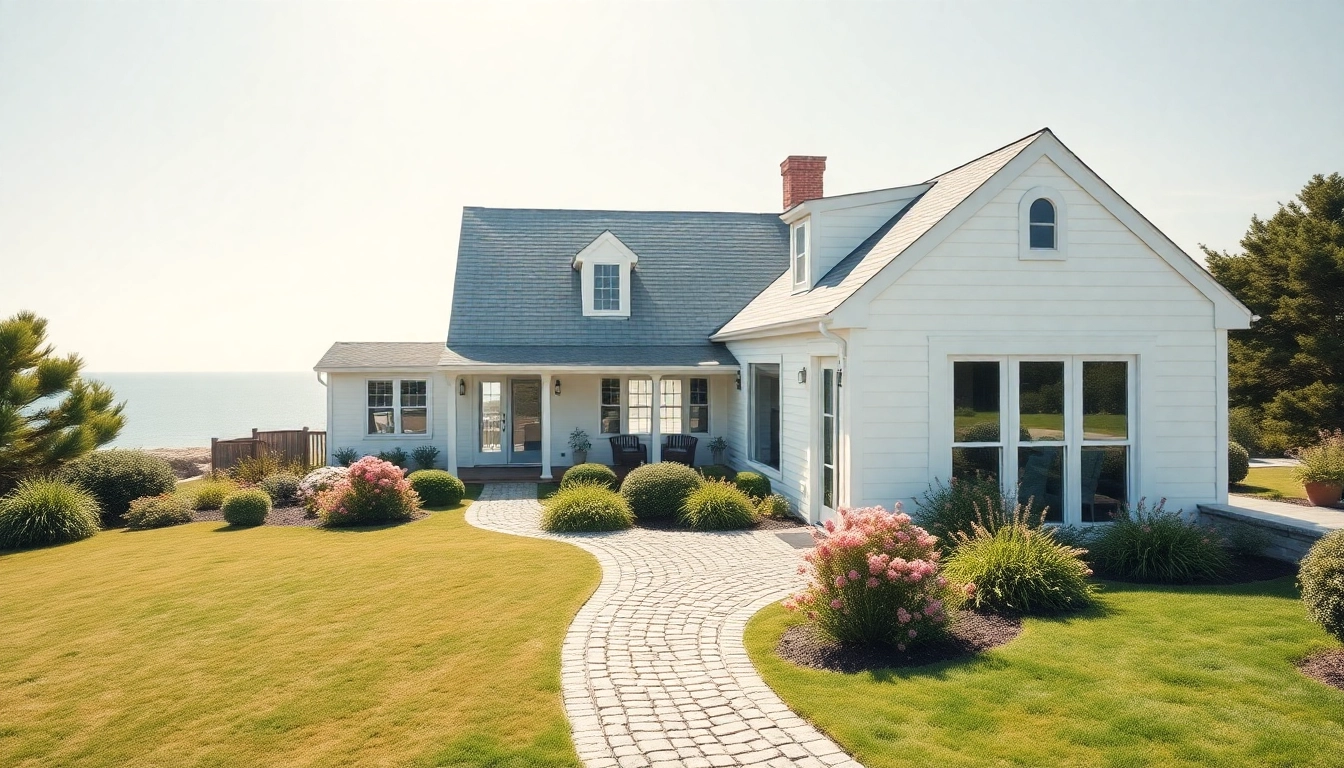
Architecturally, Cape Cod homes are characterized by a few distinctive features that contribute to their unique aesthetic. The exterior commonly features:
- Steeply Pitched Roofs: This slanted roof design is essential for shedding snow and rain, ensuring that the home remains structurally sound in harsh weather.
- Dormer Windows: These windows are typically placed on the upper floors, allowing natural light into the home and creating more usable space.
- Siding Materials: Most Cape Cod homes are clad in wooden clapboard or shingles, often painted in coastal colors that blend seamlessly with the oceanic landscape.
- Symmetrical Facades: A signature of traditional Cape Cod homes, these symmetrical designs promote balance and tranquility.
Common Styles in Cape Cod Homes
Over time, various interpretations of the Cape Cod style have emerged. Some of the prominent styles include:
- Classic Cape Cod: This style adheres closely to traditional features, such as relatively low ceilings and one or one-and-a-half stories.
- Modern Cape Cod: Incorporating contemporary materials and embellishments, this style often features open floor plans and larger windows, enhancing light and connectivity with the outdoors.
- Cape Cod Revival: Predominantly seen in the 20th century, these homes often incorporate Colonial Revival elements, such as elaborate doorways and porches.
Benefits of Expanding Cape Cod Homes
A common consideration for homeowners is optimizing their living space. An expansion can significantly enhance the functionality of cape cod homes, providing room for growing families or new ventures, such as home offices or hobby areas. But beyond mere practicality, expansions can profoundly impact a home’s overall aesthetic and value.
Increased Living Space and Functionality
One of the most significant benefits of expanding a Cape Cod home is the additional living space it creates. This added area can serve various purposes, such as transforming underutilized attic spaces into cozy bedrooms or integrating a home office into an extension that looks out onto the garden. Whatever the use, the added space can significantly improve the quality of life for residents.
Enhancing Curb Appeal with Strategic Design
Thoughtful design choices in expansions can enhance a home’s curb appeal. New entryways, porches, or even architectural details can either maintain or elevate the home’s traditional aesthetic. For instance, adding a wraparound porch can create an inviting atmosphere that blends perfectly with the home’s character.
Creating Multi-Functional Areas
Modern living often demands multi-functional spaces. Expanding a Cape Cod home allows the creation of versatile areas that can adapt to various needs over time. A room designed as an office today can easily transition into a guest bedroom tomorrow, reflecting the shifting requirements of a family.
Design Ideas for Attached Garages
When considering an expansion, the incorporation of an attached garage poses a practical solution that enhances convenience while contributing to the home’s overall design. A well-thought-out garage can boost a home’s functionality without sacrificing its aesthetic integrity.
Integrating Garage Designs with Home Aesthetics
Attached garages should not feel tacked on to the existing structure. Instead, they should resonate with the overall design language of the home. This can be achieved through materials and colors that match the exterior of the main residence, ensuring harmony in visual appearance.
Smart Storage Solutions for Cape Cod Spaces
With space often at a premium, ensuring that your garage design includes smart storage solutions is critical. Implementing built-in shelves, overhead storage, and designated areas for tools or outdoor gear can maximize organization and efficiency.
Eco-Friendly Garage Features
In today’s climate-conscious society, incorporating eco-friendly features in garage design is increasingly relevant. Options such as solar panels, energy-efficient insulation, and sustainable building materials can lessen the environmental footprint of your expansion while promoting long-term savings on utilities.
Planning Your Home Expansion
As exciting as the prospect of expansion can be, careful planning is crucial for ensuring a successful project. Understanding the necessary regulations, budgeting appropriately, and selecting the right contractors can mitigate common risks associated with home expansions.
Permits and Regulations for Home Expansions
Before embarking on an expansion, familiarize yourself with local building codes and zoning regulations. Many municipalities have specific requirements regarding the size, location, and appearance of home additions, especially in historic areas where Cape Cod homes are prevalent. Obtaining the necessary permits ensures that your project complies with local laws and avoids potential fines.
Budgeting for Your Project
Creating a pragmatic budget is critical to managing expectations and avoiding overspending. Start by estimating costs, including materials, labor, and permits. Consider setting aside a contingency fund for unexpected expenses, which will provide peace of mind throughout the project.
Choosing the Right Contractors
The selection of experienced contractors familiar with Cape Cod architecture can make a significant difference in the quality of your expansion. Look for professionals with a proven track record in managing similar projects, and don’t hesitate to request references or review previous work to gauge their ability and craftsmanship.
Maintaining Your Cape Cod Home Post-Expansion
Successfully completing a home expansion project is just the beginning; ongoing maintenance is essential to ensure the longevity and performance of your Cape Cod home. Regular upkeep and mindful preparations throughout the year can safeguard your investment.
Regular Maintenance Tips for Coastal Homes
Maintaining a Cape Cod home, especially in coastal areas, requires attention to specific challenges such as saltwater corrosion and moisture management. Regular inspections of roofs, siding, and exterior paint will identify early signs of wear. Cleaning gutters and ensuring proper drainage can prevent water damage. Additionally, seasonal applications of protective coatings can extend the life of exterior components.
Seasonal Preparations for Cape Cod Homes
Seasonal changes can impact your Cape Cod home differently, making preparations crucial. In winter, protecting pipes from freezing, inspecting heating systems, and ensuring insulation is intact will prevent costly issues. Spring may involve deep cleaning, checking for signs of water intrusion, and preparing outdoor space for use.
Choosing Sustainable Materials for Longevity
Utilizing sustainable and resilient materials during maintenance and renovation can enhance the durability of your home. Options such as composite decking, sustainably sourced wood, and eco-friendly paints not only minimize your environmental footprint but can lead to longer-lasting results and lower maintenance needs.
FAQs
What are Cape Cod homes known for?
Cape Cod homes are known for their simple, functional design featuring steep roofs, dormer windows, and coastal siding, ideal for New England living.
How do I expand a Cape Cod home?
Expanding a Cape Cod home typically involves designing an addition that complements existing features, often including an attached garage or new living space.
What are the benefits of an attached garage?
An attached garage enhances convenience, boosts security, and can elevate the overall appearance of a Cape Cod home when integrated well.
What materials are best for Cape Cod home exteriors?
Traditional materials such as wood, cedar shingles, and painted clapboard are ideal for Cape Cod homes, providing both durability and aesthetic charm.
How can I improve the energy efficiency of my Cape Cod home?
Enhancing energy efficiency may involve installing energy-efficient windows, improving insulation, and using sustainable materials during renovations.