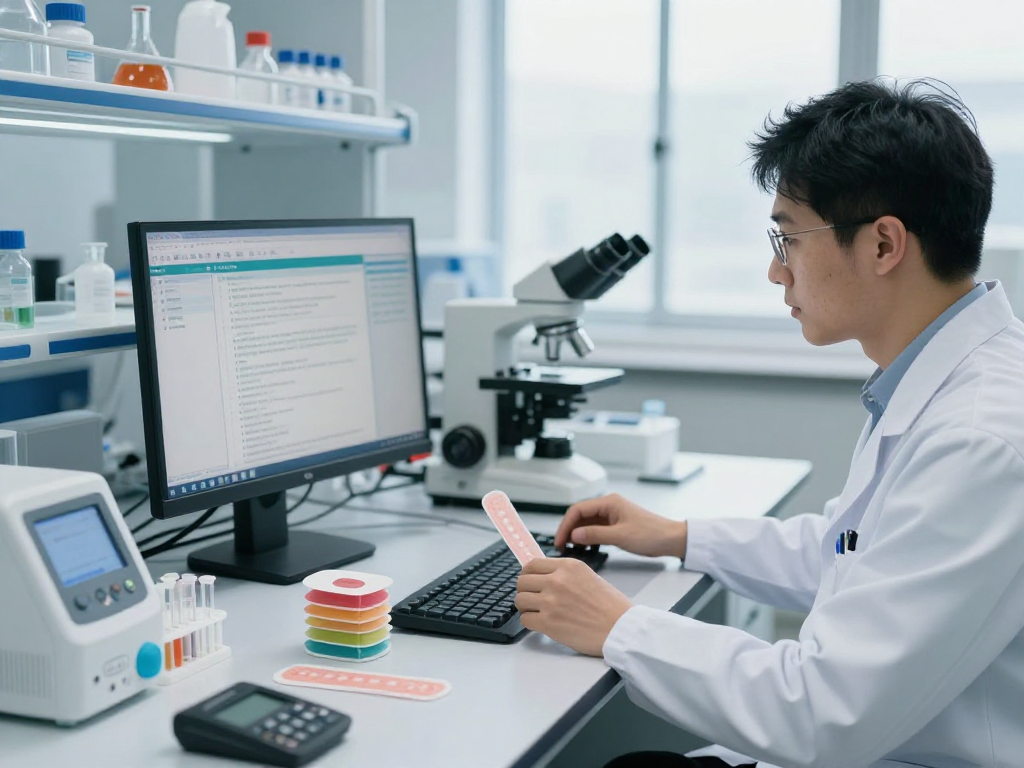
Understanding BPC 157: The Science Behind the Compound
In recent years, BPC 157 has emerged as a focal point in the realm of regenerative medicine and health supplements. Known for its potential healing properties, this peptide is attracting attention from both researchers and health enthusiasts alike. Derived from a protein found in the stomach, BPC 157, or Body Protection Compound 157, is composed of a sequence of amino acids that play crucial roles in recovery and repair mechanisms. Its unique configuration allows it to engage with various cell types, influencing healing processes fundamentally. When exploring options, BPC 157 Benefits provide comprehensive insights into its versatility and efficacy in health applications.
What is BPC 157?
BPC 157 is a synthetic peptide made from a partial sequence of a protein found in gastric juice. Its primary function is to promote healing and tissue repair, particularly in muscles, tendons, and ligaments. Unlike many other compounds that require extensive processing to be bioavailable, BPC 157 can be absorbed rapidly and effectively when administered through various delivery systems, enhancing its therapeutic potential.
The Role of Precision Compounds in Modern Delivery Systems
The evolution of drug delivery systems has significantly changed the landscape of how treatments are administered. Precision compounds like BPC 157 can be delivered effectively through modern methods such as buccal strips, which offer a cleaner and more stable alternative compared to traditional formats like pills and powders. These innovations in delivery not only improve the bioavailability of the compounds but also streamline the absorption process, making it easier for the body to utilize the beneficial properties of peptides like BPC 157.
Key Mechanisms of Action in Tissue Repair
BPC 157 has been shown to interact with a range of biological pathways that are critical in tissue repair and recovery. Notably, it encourages angiogenesis, the formation of new blood vessels, which is vital for delivering oxygen and nutrients to damaged tissues. Additionally, BPC 157 influences growth factors and enhances collagen synthesis, two key elements in the healing process. These mechanisms highlight the compound's potential role not only in sports recovery but also in broader medical applications.
Exploring the Benefits of BPC 157
The benefits of BPC 157 extend beyond mere anecdotal evidence; scientific studies and clinical observations support its effectiveness in various healing contexts. Below, we delve into some of the most significant advantages this peptide offers.
Enhanced Healing Processes
One of the most compelling advantages of BPC 157 is its ability to accelerate healing. Clinical studies have illustrated its efficacy in speeding up the recovery from injuries, particularly soft tissue injuries. Athletes and individuals recovering from surgeries often report faster recovery times and enhanced mobility, which can be attributed to the peptide's regenerative properties.
Potential Anti-Inflammatory Effects
BPC 157 is also recognized for its potential anti-inflammatory properties. By modulating inflammatory pathways, it may help alleviate pain and facilitate recovery in various conditions characterized by inflammation, such as tendonitis or bursitis. This attribute makes it an attractive option for those seeking alternatives to traditional anti-inflammatory medications, which often come with a range of side effects.
Improved Gut Health and Digestive Function
Beyond its musculoskeletal benefits, BPC 157 has been shown to promote gut health. Research indicates that it may aid in healing the intestinal lining and enhance the overall digestive process. Individuals with inflammatory bowel conditions might find BPC 157 beneficial, as it offers a potential non-pharmaceutical approach to managing symptoms and promoting gut integrity.
Applications in Various Health Scenarios
The versatility of BPC 157 allows it to be applied across a wide range of health scenarios, making it appealing to both healthcare practitioners and patients.
Recovery from Injuries and Surgeries
Individuals recovering from injuries and surgeries can harness the power of BPC 157 to expedite healing. By promoting blood flow and enhancing tissue regeneration, it helps reduce downtime and improve recovery outcomes, essential for athletes and active individuals.
Usages in Sports Medicine and Performance Enhancement
In sports medicine, BPC 157 is increasingly being adopted for its ability to aid recovery and enhance performance. Many athletes utilize this peptide to manage injuries while maintaining their training regimens, contributing to improved athletic performance without the risk of using banned substances often associated with traditional performance enhancers.
Potential in Chronic Conditions and General Wellness
For individuals with chronic conditions, such as osteoarthritis or chronic inflammatory diseases, BPC 157 offers a possible adjunctive treatment option. Its regenerative effects and anti-inflammatory properties can be integrated into broader wellness strategies, aiding individuals in managing their conditions more effectively.
Practical Use of BPC 157: Formats and Dosage
Understanding how to use BPC 157 effectively requires knowledge of the available formats and recommended dosages.
Overview of Buccal Strip Technology
Buccal strips represent a groundbreaking advancement in the delivery of BPC 157. Unlike traditional oral supplements, buccal strips dissolve in the mouth, allowing for rapid absorption directly into the bloodstream. This technology enhances the bioavailability of BPC 157, making it a more effective option for individuals seeking its benefits.
Recommended Dosages for Various Conditions
Dosage recommendations for BPC 157 can vary significantly based on the specific health scenario. Typically, dosages range from 200 to 500 micrograms per day, depending on the severity of the condition and the desired outcome. Consulting with a healthcare provider is crucial to determining the appropriate dosage tailored to individual needs.
Safety Profiles and Possible Side Effects
While BPC 157 is generally well-tolerated, it's essential to be aware of potential side effects. Mild reactions such as injection site irritation or transient headaches have been reported but are relatively rare. Given that much of the research on BPC 157 is still emerging, ongoing safety evaluations are necessary to establish comprehensive long-term safety data.
Future Trends in Precision Compounds and BPC 157
The landscape of precision compounds is constantly evolving, with BPC 157 positioned as a potentially transformative element in therapeutics. Below, we explore future trends and prospects regarding this important peptide.
Emerging Research and Clinical Studies for 2026
As interest in BPC 157 grows, so does the body of research investigating its benefits. By 2026, we anticipate more extensive clinical trials that will provide further insights into its applications across various conditions. These studies may solidify its place within modern therapeutic contexts, especially in regenerative medicine.
Integrating BPC 157 into Modern Therapeutics
Integration of BPC 157 into existing treatment protocols could revolutionize approaches to recovery and health maintenance. Healthcare professionals might begin to incorporate this peptide within a multi-modal approach tailored for individual patient needs, focusing on its regenerative properties to enhance overall therapeutic outcomes.
Predicted Influences on the Health and Wellness Industry
As awareness of BPC 157 and its potential benefits spreads, it’s likely to influence the wellness industry significantly. Nutritional supplements featuring this peptide may become mainstream, leading to a shift in consumer preferences towards science-backed supplement options boasting clear, evidenced benefits.
What Are the Key Advantages of Using Buccal Strips?
Buccal strips offer several advantages over traditional delivery methods. These include enhanced absorption rates, ease of use, and the elimination of swallowing difficulties for individuals who may have trouble with pills. This modern format aligns with current trends toward more accessible, user-friendly health solutions.
How Does BPC 157 Compare with Traditional Treatment Methods?
In contrast to traditional treatment methods, BPC 157 provides a more targeted approach. While many conventional pain relievers and anti-inflammatories treat symptoms without addressing underlying issues, BPC 157 facilitates healing at the cellular level, offering a more comprehensive solution to recovery.
Is BPC 157 Safe for Long-Term Use?
Current research suggests that BPC 157 is safe for short-term use, but long-term safety data is limited. As with any compound, continuous evaluation and monitoring are essential. Those considering its long-term use should consult with a healthcare provider to assess risks and benefits thoroughly.
What Potential Does BPC 157 Have for Future Therapies?
The potential applications of BPC 157 could extend beyond its current uses. Future therapies may include its application in neuroprotection, cardiovascular health, and even metabolic disorders. Research is ongoing to explore these possibilities and determine the full scope of its benefits.
Are There Any Restrictions on BPC 157 Usage?
While BPC 157 is not currently classified as a controlled substance, its legal status can vary by region. For more information, BPC 157 Benefits offers valuable insights. Users must remain informed about local regulations and should obtain BPC 157 through reputable sources to ensure quality and safety.