
Understanding E Marking in Automotive Compliance
The automotive industry is continuously evolving, with stringent safety and performance standards set to ensure public safety and environmental protection. One key aspect of this compliance landscape is the E marking, an essential certification that verifies a vehicle’s components and systems adhere to established regulations. This article guides you through the intricacies of E marking, its significance in vehicle safety, and the processes and challenges associated with obtaining certification.
What is E Marking?
E marking, also known as E-mark certification, is a regulatory mark indicating that automotive components meet the safety and performance requirements set by regulatory bodies within the European Union. This mark is crucial for manufacturers aiming to sell their products in European markets, as it signifies compliance with EU standards established by the World Forum for Harmonization of Vehicle Regulations (WP.29).
The E marking consists of a letter “E” within a circle, followed by a distinguishing number that represents the country where the approval was granted (e.g., E1 for Germany or E24 for Ireland). This mark applies to various components such as lighting, electronic sub-assemblies, and other critical automotive parts.
Importance of E Marking in Vehicle Safety
The importance of E marking cannot be overstated. It plays a vital role in ensuring that all automotive components comply with the necessary safety standards before they reach consumers. Vehicles that lack E marking may be deemed non-compliant and can face significant penalties, including vehicle recalls, product liability claims, and restrictions on market access. Furthermore, E marking fosters consumer confidence by indicating that products have undergone thorough testing and meet legal requirements, ultimately promoting road safety.
Regulatory Bodies and E Marking Standards
Numerous regulatory bodies oversee the E marking process, including the European Commission and national vehicle approval authorities. Each country within Europe has its own regulatory framework, yet they adhere to common standards set by the European Union. For example, the ECE Regulation No. 10 (R10) governs the electromagnetic compatibility of vehicles, mandating that all electronic and electrical components must operate without causing interference.
As vehicle technology advances, new standards emerge focusing on aspects like environmental impact, energy efficiency, and innovation. Staying updated with the latest regulatory changes is crucial for manufacturers and suppliers in the automotive industry.
Process of E Marking Certification
Obtaining E marking certification involves a systematic process that can vary based on the component type and applicable regulations. Understanding this process helps manufacturers prepare effectively, ensuring a smoother pathway to compliance.
Initial Consultation for E Marking
The certification process typically begins with an initial consultation, where manufacturers present their product specifications and intended market applications. This consultation allows testing laboratories to identify the necessary tests and documentation required for E marking. It is also an opportunity for manufacturers to clarify any doubts about compliance requirements.
Testing Procedures for E Marking Compliance
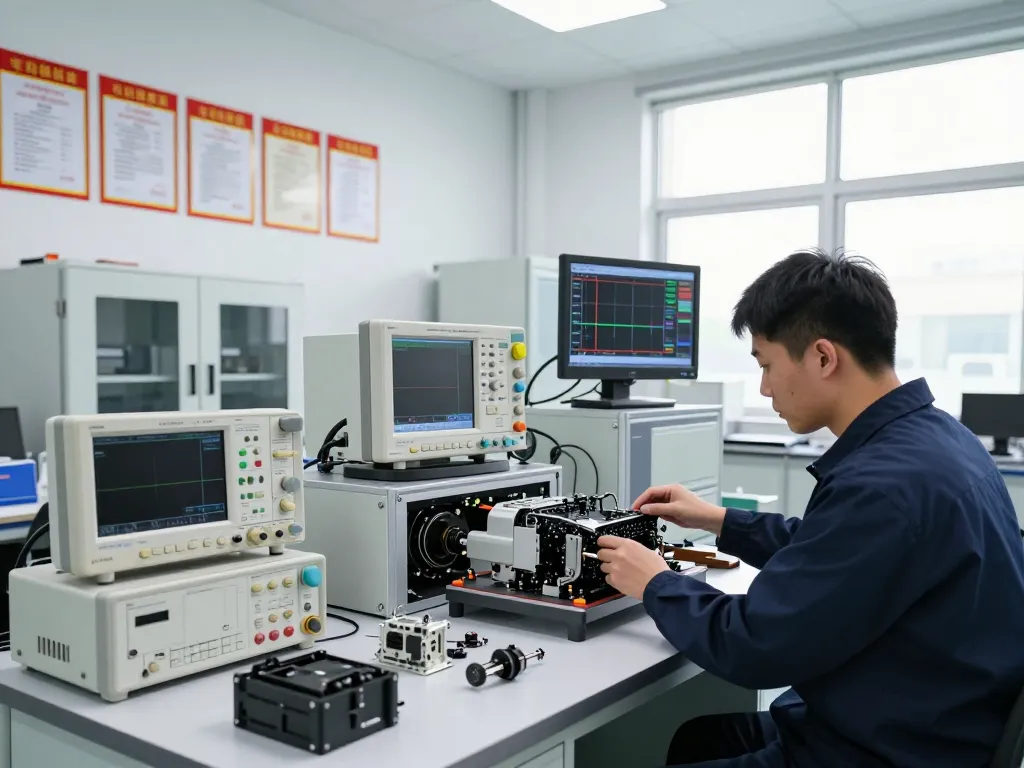
Once the consultation is complete, the next step involves rigorous testing procedures tailored to the specific requirements of each component or system. Testing may include assessments for electromagnetic compatibility, performance evaluations, and safety checks. Laboratories like Stancer Testing-Lab provide comprehensive testing services, ensuring that products meet international standards such as ISO 16750 and CISPR regulations.
These tests help detect any potential issues early in the development process, allowing for timely design modifications while promoting overall product reliability.
Final Certification and Reporting
Upon successful completion of testing, a detailed report is generated, outlining the results and compliance status. This report forms the basis for final certification. Certification bodies review the documentation and may issue the E marking to the tested components once all requirements are met. The manufacturer then receives official paperwork confirming compliance, which is critical for marketing and selling the product in regulated markets.
Common Challenges in E Marking Compliance
While E marking is essential for access to European markets, various challenges can hinder compliance. Recognizing these challenges is vital for manufacturers aiming to streamline their certification processes.
Misconceptions About E Marking
One common misconception is that E marking is merely a formality for vehicles entering the European market. However, it involves comprehensive testing and regulatory compliance that impacts product development cycles. Many manufacturers underestimate the complexity and time required for the E marking process, leading to delays and increased costs.
Addressing Design Issues for Compliance
Design issues often arise during development phases, such as failures in meeting electromagnetic compatibility standards. These challenges necessitate design modifications to achieve compliance, which can extend timelines and require additional testing. Engaging with testing laboratories early can mitigate these risks, providing insights that help optimize designs for compliance.
Retesting and Compliance Maintenance
Even after obtaining E marking certification, manufacturers must maintain compliance by keeping abreast of changing regulations and industry standards. Regular updates and retesting—especially following significant design alterations or the introduction of new technologies—are crucial to ensuring ongoing compliance. This proactive approach minimizes risks associated with non-compliance, such as recalls or legal liabilities.
Benefits of Choosing Stancer Testing-Lab for E Marking
As a leader in the EMC testing industry, Stancer Testing-Lab provides numerous benefits that simplify the E marking compliance journey for manufacturers.
Expertise and Advanced Testing Facilities
Stancer Testing-Lab is an ISO 17025 accredited facility, equipped with state-of-the-art technology and staffed with experienced engineers. This ensures that all testing processes are precise and in line with the latest regulatory standards. Our expertise across various industries allows us to tailor solutions that meet unique product requirements.
Comprehensive Analysis and Reporting
We pride ourselves on delivering detailed analysis and reports that not only provide compliance status but also offer insights into product performance. This comprehensive approach supports manufacturers in identifying areas for improvement while ensuring they meet regulatory expectations.
Fast Turnaround for Certification
Time-to-market is crucial for automotive manufacturers, and our integrated testing and certification services facilitate a faster approval process. By streamlining procedures, we help clients navigate the certification landscape efficiently, enabling them to launch products without unnecessary delays.
Future Trends in E Marking and Automotive Compliance
As technology evolves, so too do the regulatory frameworks governing automotive compliance. Keeping an eye on future trends is essential for manufacturers to remain competitive in the market.
Technological Advances in Testing Methods
The testing landscape is undergoing significant transformation thanks to advancements in technology. Automation and digitalization are streamlining testing procedures, making them faster and more efficient. Artificial intelligence and machine learning are being integrated into compliance testing, enhancing data analysis and predictive capabilities.
Impact of Global Regulations on E Marking
With increasing globalization, manufacturers face a complex web of regulatory requirements. The E marking process may become more harmonized globally, reflecting a move towards unified standards. However, manufacturers must remain vigilant and adapt to local regulations, ensuring ongoing compliance in multiple markets.
Emerging Trends and Predictions for 2026
Looking ahead, the automotive industry will likely witness a focus on sustainability and eco-friendly innovations. This shift will influence E marking standards, as manufacturers will need to meet new environmental performance criteria. Predictions for 2026 suggest increased scrutiny on component sourcing, lifecycle assessments, and energy efficiency metrics.
How to Achieve E Marking Compliance?
Achieving E marking compliance requires a proactive approach. Manufacturers should engage with accredited testing labs early in the product development cycle, ensuring they understand applicable regulations and standards. Regular training and updates for engineering teams on compliance requirements can also facilitate smoother processes.
What are the consequences of non-compliance?
Failure to comply with E marking regulations can lead to severe consequences, including product recalls, fines, and damage to brand reputation. Non-compliance can also restrict access to critical markets, limiting growth opportunities for manufacturers.
How does E Marking improve market access?
E marking acts as a passport for automotive components entering the European market. Compliance with E marking standards not only facilitates market access but also enhances consumer trust in brand integrity and product safety. By investing in E marking, manufacturers can expand their market reach, ultimately driving sales and growth.