
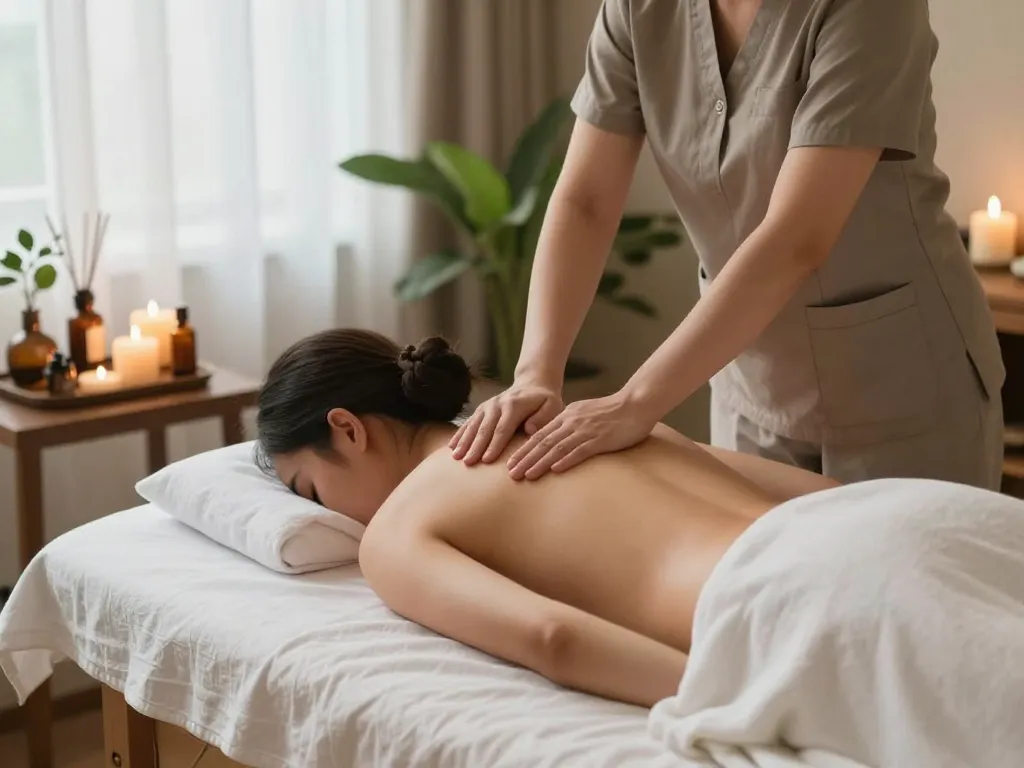
Understanding Massage: Origins and Benefits
Massage therapy has become an integral part of wellness routines for many individuals around the globe. With its roots stretching back thousands of years, this practice involves manipulating muscles and tissues through various techniques to promote relaxation and healing. In our modern society, where stress levels are soaring, the significance of 마사지 cannot be overstated. Understanding the origins, benefits, and various types of massage can help individuals select the right approach for their unique needs.
What is Massage and Its History?
Massage is the manual manipulation of soft tissues and muscles to enhance a person’s physical and emotional well-being. The history of massage can be traced back to ancient civilizations such as Egypt, India, and China, where it was considered a vital part of healing practices. In fact, texts from the ancient Indian system of Ayurveda, dating back over 3,000 years, highlight the use of massage as a therapeutic technique. Through the ages, various cultures have adopted and adapted massage techniques, leading to the diverse array of styles available today.
Physical and Mental Health Benefits of Massage
Numerous studies have documented the physical and mental health advantages of massage. Physically, it can help alleviate muscle tension, improve circulation, and enhance flexibility. Additionally, individuals often report decreased levels of pain and improved recovery from injuries. Mentally, massage therapy has been shown to reduce anxiety, promote relaxation, and boost overall mood by increasing levels of serotonin and dopamine in the body. Given today’s fast-paced lifestyle, the mental health benefits of massage are particularly crucial, providing a necessary respite from daily stressors.
Types of Massage: A Comprehensive Overview
There are various types of massage catering to different needs and preferences. Some of the most popular types include:
- Swedish Massage: Known for its gentle, relaxing strokes, this type is perfect for beginners.
- Deep Tissue Massage: This technique focuses on deeper layers of muscle and connective tissue, ideal for chronic pain relief.
- Aromatherapy Massage: Incorporating essential oils, this massage enhances relaxation and emotional well-being.
- Hot Stone Massage: Utilizing heated stones, this therapy soothes tight muscles and promotes deep relaxation.
- Sports Massage: Tailored for athletes, this type enhances performance and aids recovery.
Key Massage Techniques for Various Needs
Swedish Massage: Techniques and Benefits
Swedish massage employs long, flowing strokes, kneading, and gentle circular movements on the outer layers of muscle. This type of massage is designed to enhance relaxation and is beneficial for those who experience stress or have never had a massage before. By stimulating blood flow, Swedish massage promotes overall health and wellness.
Deep Tissue Massage: Understanding the Method
This technique employs deeper pressure to target the inner layers of muscles and connective tissues, often used for chronic aches and pains. Deep tissue massage is particularly effective for conditions such as back pain and sports injuries, as it addresses the root causes of muscle tension.
Aromatherapy Massage: Enhancing the Experience
Aromatherapy massage combines the physiological benefits of traditional massage with the therapeutic effects of essential oils. Depending on the oils chosen, clients may experience relaxation, invigoration, or emotional healing. The sensory experience of pleasant scents further enhances the overall effect, making it a favorite among those seeking a holistic approach to wellness.
Choosing the Right Massage Therapist
What to Look for in a Professional?
Finding the right massage therapist is crucial for ensuring a positive experience. Look for professionals who have reputable certifications and experience in the type of massage you prefer. Trustworthy therapists prioritize client comfort and effectiveness in treatment, making communication an essential aspect before and during sessions.
Certifications and Qualifications Explained
In most regions, massage therapists are required to obtain licensure after completing specific training programs. These qualifications ensure that therapists have a solid understanding of human anatomy, massage techniques, and safety protocols. Checking a therapist’s credentials can help build assurance that you’re in capable hands.
How to Find a Trusted Massage Therapist Near You
Finding a trusted massage therapist can be done through various methods such as online reviews, recommendations from friends, or local wellness websites. It’s also advisable to schedule a consultation to discuss your specific needs and see if the therapist’s approach aligns with your expectations before booking a full session.
At-Home Massage Techniques
Essential Tools for Home Massage Experience
While professional massages are ideal, at-home techniques can also provide significant relief. Basic tools like foam rollers, massage balls, and handheld massagers can help alleviate tension between professional sessions. Investing in these tools can enhance your self-care routine and make massage therapy more accessible.
DIY Techniques for Self-Massage
Self-massage techniques such as kneading your shoulders or rolling out your feet can be easily incorporated into daily life. Practicing mindful self-massage can reduce muscle tension, improve flexibility, and promote relaxation without the need for professional assistance.
Creating a Relaxing Environment at Home
To maximize the benefits of self-massage, it’s essential to create a calming atmosphere. Dim lighting, soft music, and comfortable seating can enhance relaxation and focus. Incorporating essential oils into your environment can also elevate the experience, making your at-home massage sessions more effective.
Future Trends in the Massage Industry (2026 and Beyond)
Technological Innovations in Massage Therapy
The future of massage therapy promises to be exciting, with innovations such as mobile apps for therapy booking and virtual reality experiences gaining traction. These technologies can facilitate easier access to massage services and elevate the client experience through enhanced interactivity.
Emerging Trends in Wellness and Self-Care
As wellness continues to be a priority, result-oriented massage techniques such as cupping and myofascial release are gaining popularity. Clients increasingly seek personalized options tailored to their specific health goals, pushing therapists to adapt and evolve their offerings.
Predictions for the Future of Massage Therapy
Looking ahead, we can expect a merger of traditional methods with modern technology. This fusion will likely foster greater customization and convenience in massage therapy, making it an even more integral part of holistic wellness practices.
Frequently Asked Questions
What are the different types of massage available?
As mentioned, there are numerous types of massages, including Swedish, deep tissue, aromatherapy, hot stone, and sports massage, each catering to different needs and preferences.
How can massage improve mental health?
Massage therapy has been shown to significantly reduce stress, anxiety, and symptoms of depression by triggering the release of neurotransmitters that promote relaxation and well-being.
What should I expect during my first massage session?
Your first massage experience will likely begin with a consultation where you discuss your health history and what you hope to achieve from the session, followed by the massage itself, tailored to your preferences.
Are there any risks associated with massages?
While massage therapy is generally safe, certain conditions may require precautions. It’s important to consult with a healthcare provider if you have specific health concerns.
How often should I get a massage for optimal benefits?
Frequency can vary based on individual needs. Many people find benefits from sessions every two to four weeks, while others may require more frequent sessions during times of stress or pain.