Understanding SHASHEL® Technology
In a world where wood-boring insects can silently wreak havoc on wooden structures, the emergence of SHASHEL® technology offers a revolutionary solution. This innovative method harnesses the power of microwaves to effectively eliminate wood-eating pests, such as woodworms, larvae, and eggs, without the use of harmful chemicals. Understanding this advanced technology is crucial for homeowners, businesses, and professionals involved in pest management, as it provides a safer and more efficient alternative to traditional pest control methods.
What is SHASHEL® and How Does It Work?
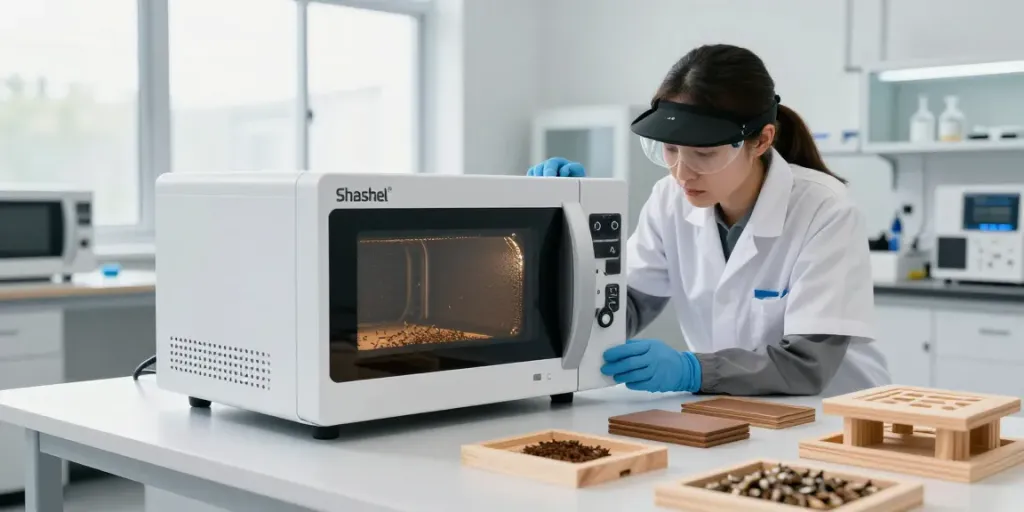
SHASHEL® refers to a series of specialized microwave devices designed for the treatment of wood infested with pests. The technology operates on the principle that microwaves can penetrate wood, raising its temperature to a level lethal for insects and their eggs. By targeting the moisture within the wood, SHASHEL® devices create an inhospitable environment for pests while preserving the structural integrity of the wood itself.
Benefits of Microwave Treatment Over Traditional Methods
Compared to conventional methods, such as chemical insecticides, SHASHEL® offers several compelling advantages:
- Chemical-Free: The use of microwaves eliminates the need for toxic chemicals, making it a safer choice for indoor environments.
- Time-Efficient: SHASHEL® devices can kill pests in a matter of minutes, significantly reducing downtime for businesses or homeowners.
- Deep Penetration: Microwaves can penetrate deeply into wooden structures, ensuring that even hidden infestations are effectively treated.
- Environmentally Friendly: The technology relies on heat rather than chemicals, minimizing negative impacts on the environment.
Key Components of SHASHEL® Devices
The effectiveness of SHASHEL® technology stems from its sophisticated design and the quality of its components. Key elements include:
- Microwave Generators: These generate the microwaves necessary for treatment.
- Temperature Sensors: These monitor the heating process to ensure optimal effectiveness while preventing overheating.
- Control Panels: User-friendly interfaces allow for easy operation and monitoring during treatment sessions.
Choosing the Right SHASHEL® Device
When investing in SHASHEL® technology, selecting the right device is crucial for ensuring effective pest control. Various factors must be considered to tailor the choice to specific needs.
Factors to Consider When Selecting Equipment
Several considerations can guide your decision when choosing a SHASHEL® device:
- Application Size: Determine the size of the area needing treatment—residential or commercial—to select a model that suits your space.
- Type of Infestation: Different SHASHEL® models may be geared towards targeting specific pests, such as woodworms or powderpost beetles.
- Budget: Evaluate the cost versus the features offered to choose the best value for your investment.
SHASHEL® Device Variants for Different Needs
SHASHEL® provides various device configurations to cater to diverse requirements:
- Residential Models: Compact and user-friendly, ideal for homeowners with minor infestations.
- Commercial Units: Larger models designed for businesses, capable of treating extensive wooden structures efficiently.
- Specialized Devices: Tailored configurations for unique situations, such as historical preservation or large-scale industrial applications.
Customer Reviews and Recommendations
Feedback from users has consistently highlighted the efficiency and reliability of SHASHEL® technology. Many customers praise the speed at which infestations can be eradicated without compromising the integrity of the wood. When evaluating options, seeking testimonials and case studies can provide valuable insights into the expected performance and satisfaction levels of each device.
Application Techniques for Effective Pest Control
Once you've selected your SHASHEL® device, understanding how to apply it correctly is key to maximizing its effectiveness in pest control.
Preparing Wood for Treatment with SHASHEL®
Preparation of wooden items prior to treatment can enhance the efficiency of the SHASHEL® process. Here are some steps to consider:
- Cleaning: Remove dust, debris, and any surface coatings that might inhibit microwave penetration.
- Assessing Infested Areas: Identify and mark areas with visible signs of infestation to ensure comprehensive coverage during treatment.
- Moisture Content: Check the moisture levels of wood, as higher moisture content can facilitate more effective treatment.
Best Practices for Using SHASHEL® Devices
To get the best results from your SHASHEL® equipment, follow these best practices:
- Follow Manufacturer Guidelines: Always adhere to the operating instructions provided by the manufacturer for optimal results.
- Monitor Treatment Progress: Use temperature sensors to ensure that the wood reaches the required temperature to effectively kill pests.
- Plan for Re-Treatment: In cases of severe infestations, multiple treatments may be necessary to ensure complete eradication.
Common Mistakes to Avoid
While using SHASHEL® devices, avoid these common pitfalls:
- Neglecting Preparation: Skipping preparation steps can hinder the effectiveness of the treatment.
- Ignoring Temperature Readings: Failing to monitor temperatures could lead to insufficient pest control.
- Underestimating Severity: Misjudging the extent of the infestation may result in incomplete treatment.
Maintaining Your SHASHEL® Equipment
Proper maintenance of SHASHEL® devices ensures longevity and consistent performance.
Cleaning and Upkeep of Microwave Devices
Regular cleaning is essential for optimal functioning:
- Electrical Components: Keep all electrical connections clean and free of dust to maintain safe operations.
- Microwave Chambers: Clean the internal and external sections of the microwave chamber to prevent buildup and ensure proper heating.
- Calibration Checks: Periodically calibrate sensors to ensure they provide accurate readings.
Extending the Lifespan of Your SHASHEL® Equipment
To extend the usefulness of SHASHEL® devices, consider these strategies:
- Avoid Overuse: Follow recommended usage frequencies to prevent wear and tear.
- Store Properly: When not in use, store devices in a dry, climate-controlled environment to protect sensitive components.
- Regular Inspections: Conduct routine inspections to identify and address potential issues before they escalate.
Troubleshooting Common Issues
Encountering problems with your SHASHEL® device can be frustrating. Here are some common issues and possible solutions:
- Inconsistent Heating: Check for blockages in the microwave chamber or issues with power supply.
- Failure to Reach Desired Temperature: Ensure that the device is calibrated correctly and that the wood is adequately prepared.
- Malfunctioning Controls: Reset the control panel and consult the user manual for troubleshooting guidance.
Future Trends in Pest Control Technology
The evolution of technology continues to transform the pest control industry, with SHASHEL® at the forefront of these innovations.
Innovations in Microwave Pest Management
Future advancements in SHASHEL® technology may include:
- Enhanced Precision: Development of advanced sensors that provide real-time data on pest activity and treatment effectiveness.
- Integration with IoT: Smart technology allowing users to monitor and control devices remotely via mobile applications.
- Eco-Conscious Developments: Continued focus on sustainable practices, reducing environmental impacts while maintaining efficacy.
Environmental Impacts of SHASHEL® Treatments
The SHASHEL® technology’s chemical-free approach contributes positively to environmental health. As public awareness of the adverse effects of chemical treatments grows, the demand for eco-friendly solutions like SHASHEL® will likely increase, fostering a more sustainable approach to pest control.
Predictions for the Evolution of Pest Control in 2026
As we look toward 2026, the pest control industry will almost certainly witness:
- Wider Adoption of Technology: Increased reliance on advanced technologies, including robotics and AI, to enhance pest management strategies.
- Collaborative Solutions: More partnerships between pest control professionals and technology developers to create tailored solutions for specific industries.
- Enhanced Consumer Awareness: Educated consumers will seek out eco-friendly solutions such as SHASHEL® to mitigate pest problems responsibly.